Sugar, Cortisol, and the Crash Cycle
Glucose, fructose, and sucrose behave differently in your body, and the crash that follows sugar eaten alone is a cortisol response, not tiredness. What is actually happening, and how to break the cycle.
Browse slowly. Follow your curiosity. Come back to the articles that stay with you.

Glucose, fructose, and sucrose behave differently in your body, and the crash that follows sugar eaten alone is a cortisol response, not tiredness. What is actually happening, and how to break the cycle.


Your spine rotates with every step, and that rotation drives more than your legs do. What the research says about the spinal engine, your feet, your brain, your blood sugar, your bones, and how fast and how far you actually need to go.

Six months of Self Care Sunday, revisited through 28 articles on breath, the nervous system, body pain, food, rest, stress, sleep and recovery.

Rest is not the absence of effort. It is an active nervous system state that repairs the body and, practised weekly, widens your capacity to stay calm under stress. A gentle ten-minute deep rest practice from back pain specialist Stephen.

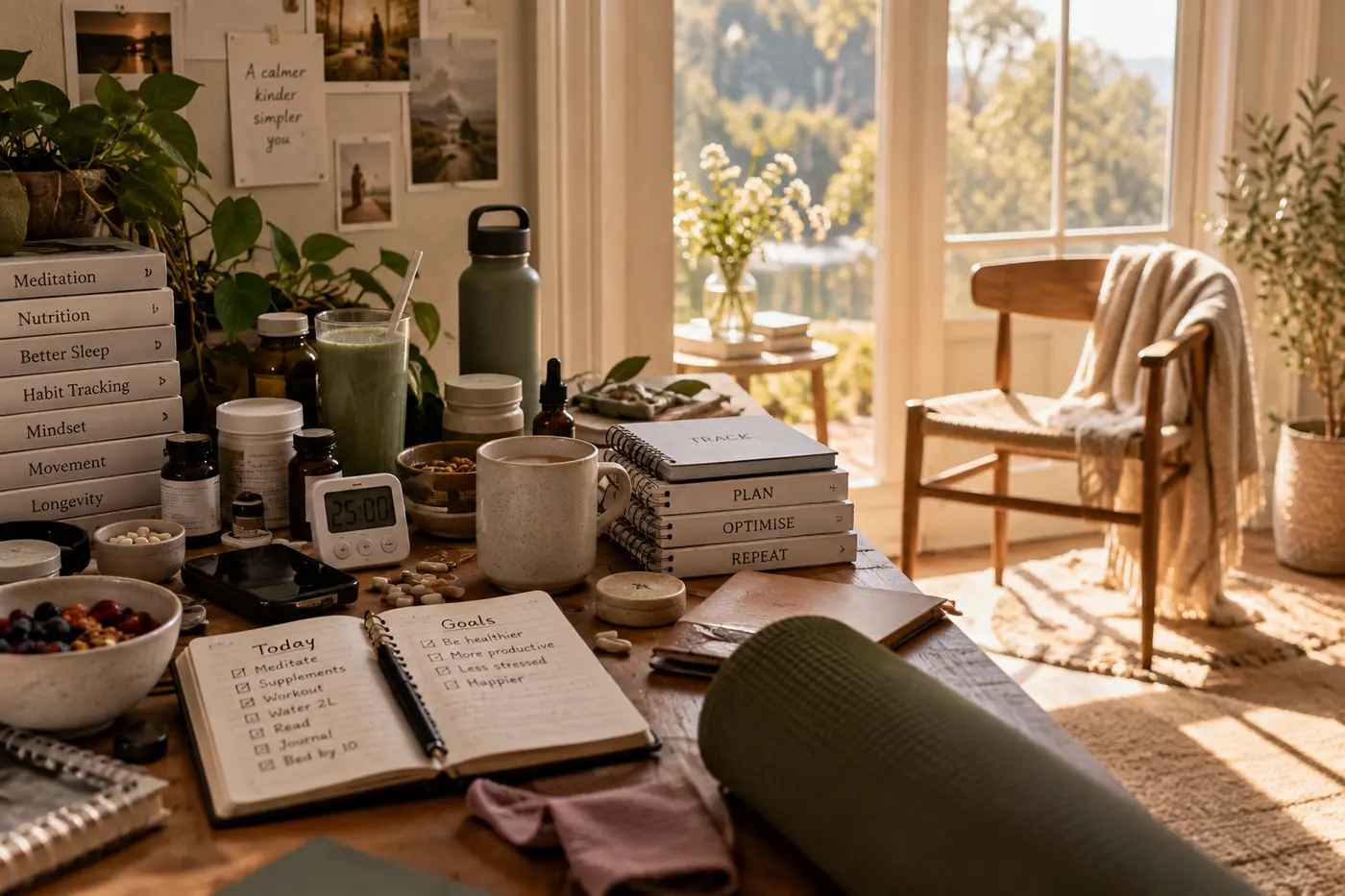
Wellness tracking has become its own source of stress. Here is what the research says about measuring your own health, and the simple free signals your body has been giving you all along. By Stephen.

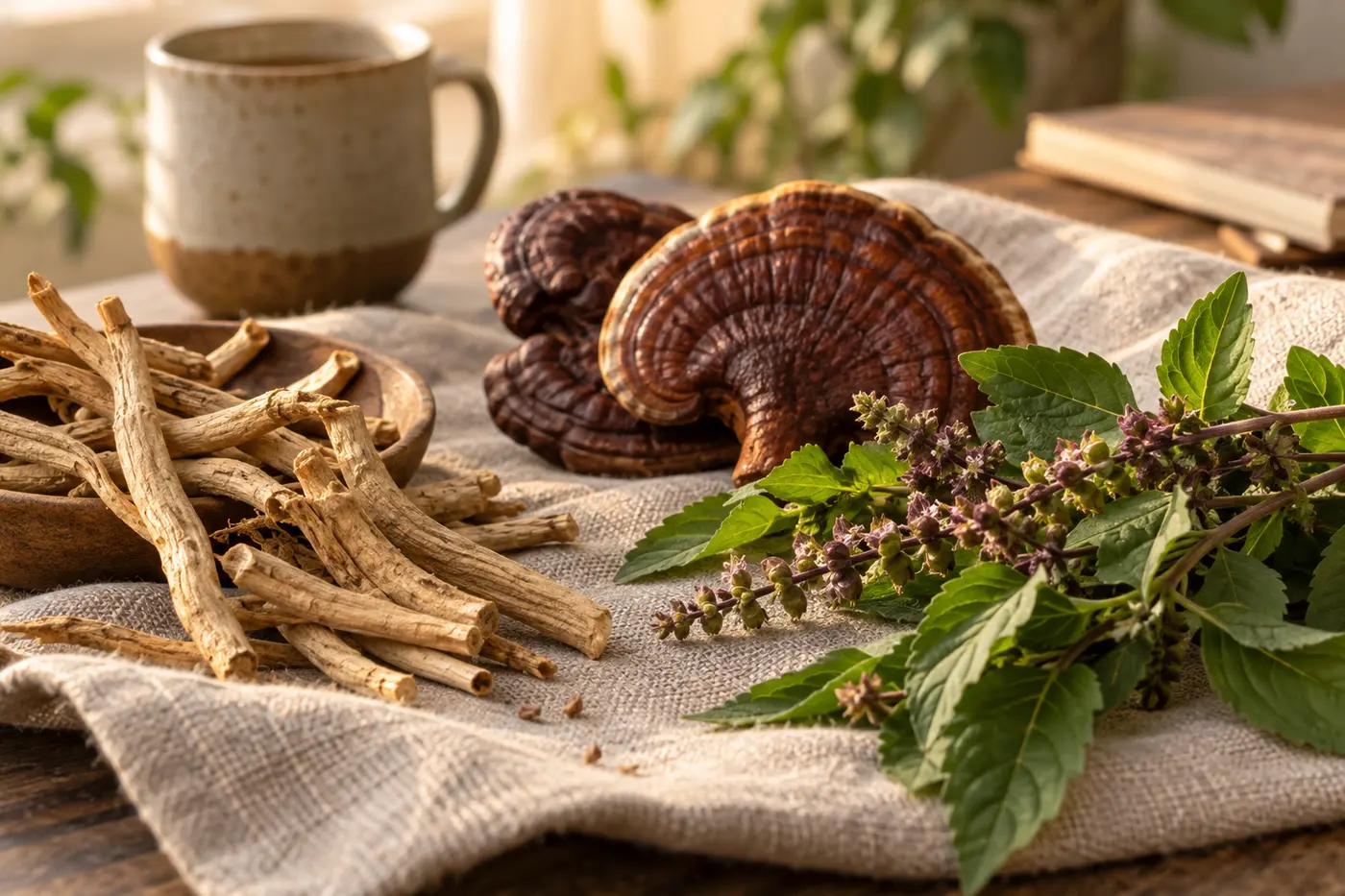
An honest look at lion's mane, reishi, and chaga. What the human evidence actually supports, what is still just promising, how to use them as food first, and who should be cautious. By Stephen.

Warm water is one of the oldest medicines and one of the most quietly evidence based. How bathing calms the nervous system, moves the blood, softens inflammation, and deepens sleep, plus a proper guide to the oils worth putting in the water.

A new UNSW trial shows targeting emotion reduces chronic pain. The deeper reason: practiced regulation changes how the brain interprets signals from the body, long term.

The solstice lands this Sunday. What it actually is, how it shifts melatonin and cortisol timing, how cultures across the globe have marked it for thousands of years, and a small ritual to bring it into your own Sunday.

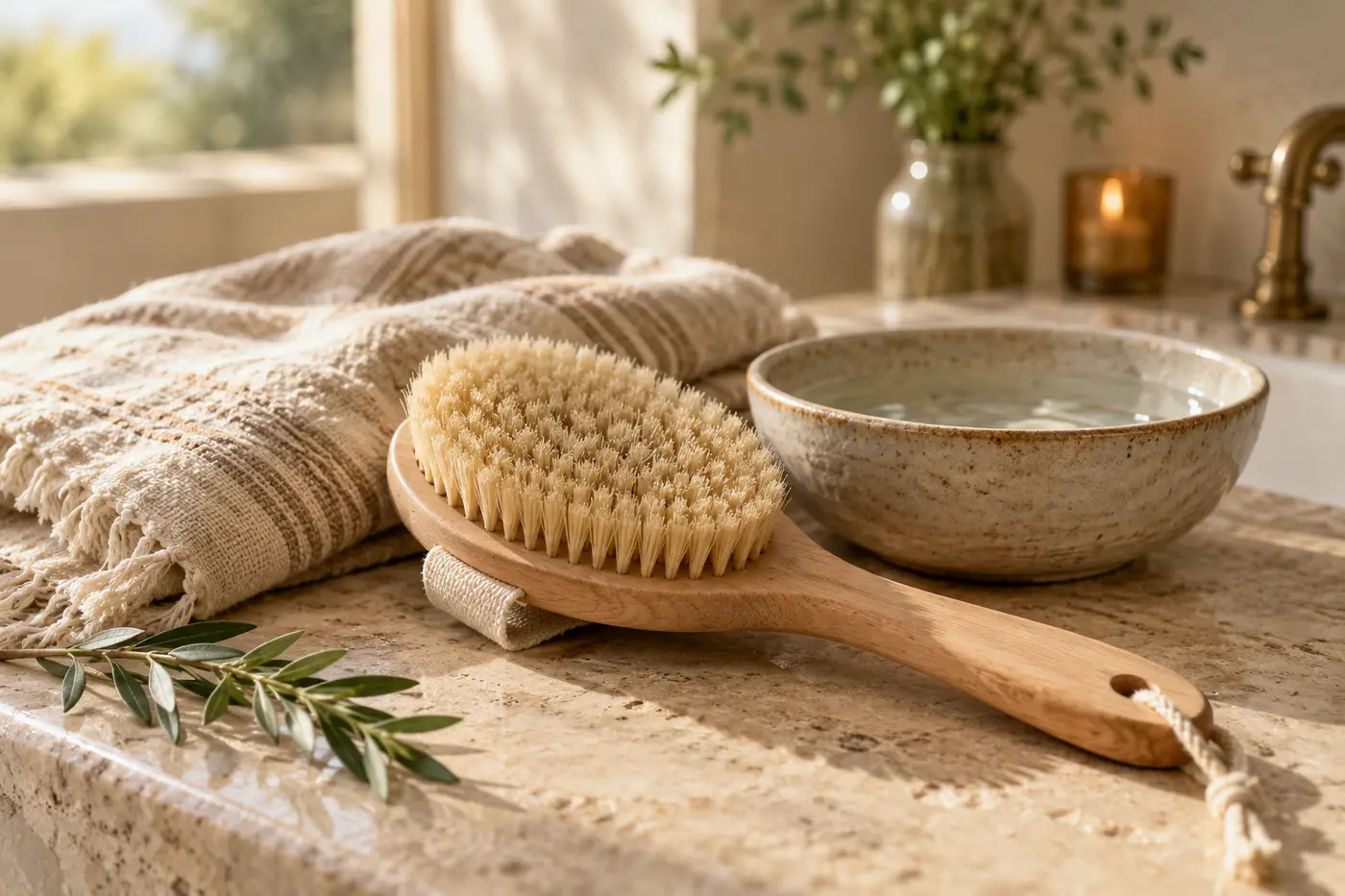
Dry brushing is one of the most effective daily practices for fascial health, circulation, and lymphatic flow. A practical guide from back care specialist Stephen: correct technique, body map, and what to expect.

After 40 the skin changes in three specific ways: collagen loss, barrier thinning, and rising inflammation. A practical guide to understanding what is happening and what actually helps, from back care specialist Stephen.

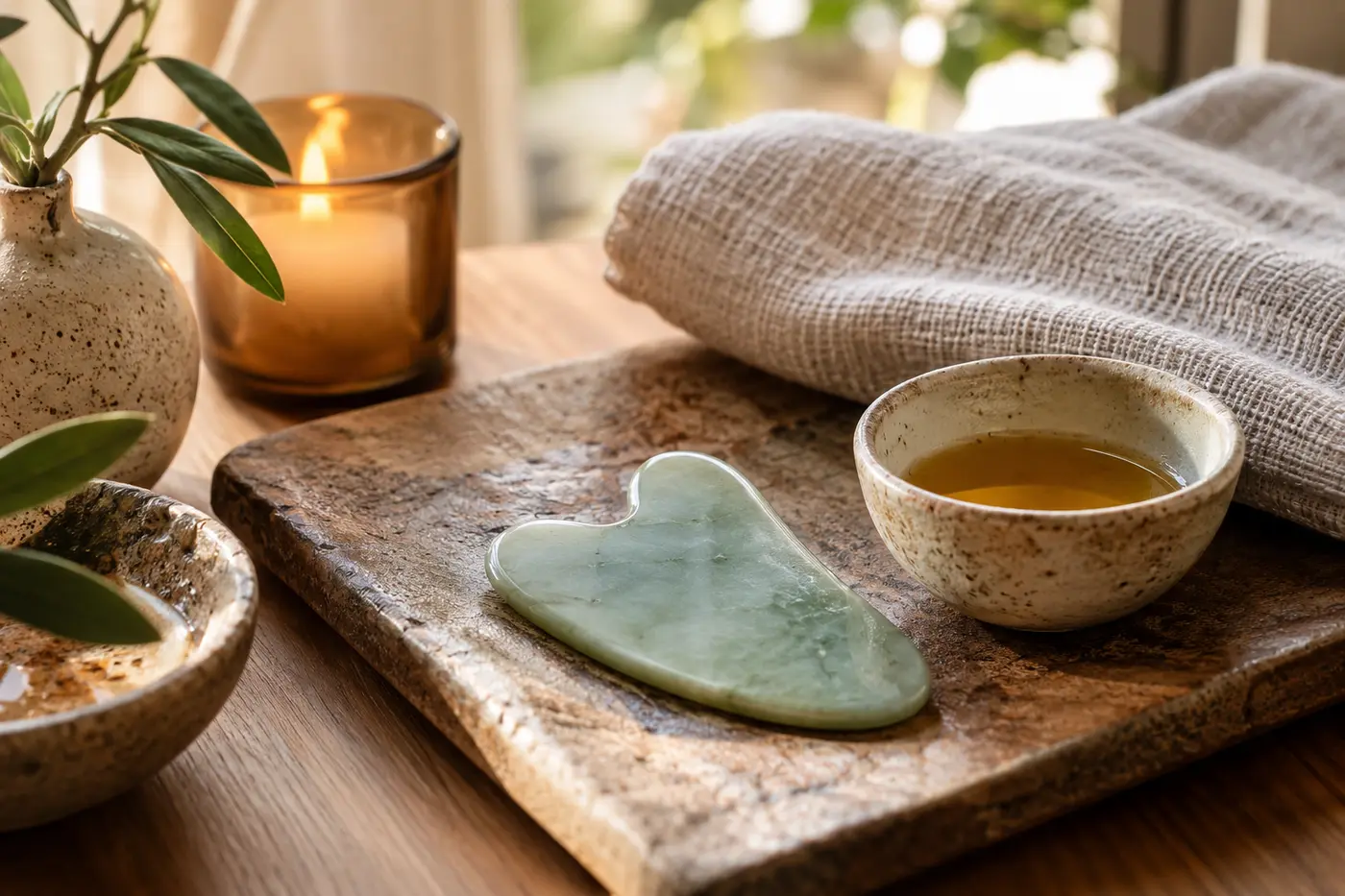
Gua sha is a traditional East Asian practice that uses a smooth tool to scrape the skin, releasing fascial tension, improving circulation, and reducing chronic pain. A complete guide: what it is, the right oil, direction, a step-by-step routine, and who should not do it.

Pai Da is a traditional Chinese self-patting practice that stimulates lymphatic flow along the body's meridian lines. A clear guide to what it is, why it works, and a five-minute daily sequence you can start today.

Ashwagandha, rhodiola, and reishi are everywhere. But what does the clinical evidence actually show? A clear-eyed guide to adaptogens for stress, cortisol, and nervous system regulation.

Why ending your shower cold for 30 seconds changes your stress response. What vagal tone is, how low vagal tone affects chronic pain, and how to improve it.

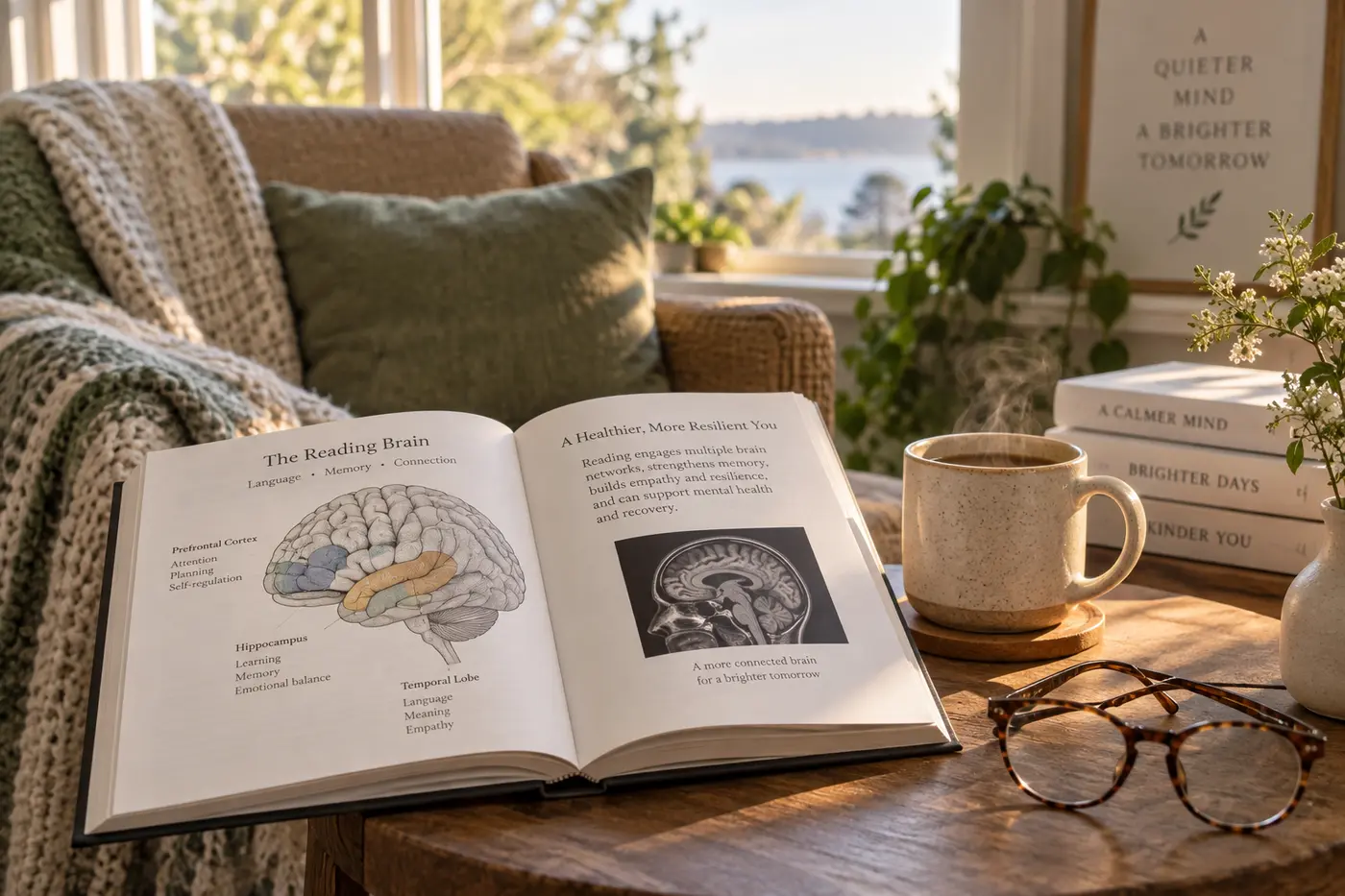
When you read about something consistently, your brain begins to reorganise around it. Here is what that means for persistent pain, neuroplasticity, and the books that help explain why reading matters.

Poor sleep and chronic pain share a two-way relationship that most people do not fully understand. Here is the science, and a pre-sleep practice that shifts the body into genuine recovery.

Not a diet. A handful of easy food swaps that reduce the internal load on your nervous system and make steady energy more accessible from Sunday through the week.

What bone after 40 actually responds to: load, resistance training, impact, muscle, calcium, protein, vitamin D, hormones and time.

If you sleep eight hours and still feel tired, your breathing at night may be the reason. A gentle Sunday morning read on mouth breathing, nervous system recovery, and one small change that helps.

Most people treat jaw tension and back pain as separate problems. They are not. Both are expressions of the same nervous system state. Here is the connection and a simple release that addresses both at once.

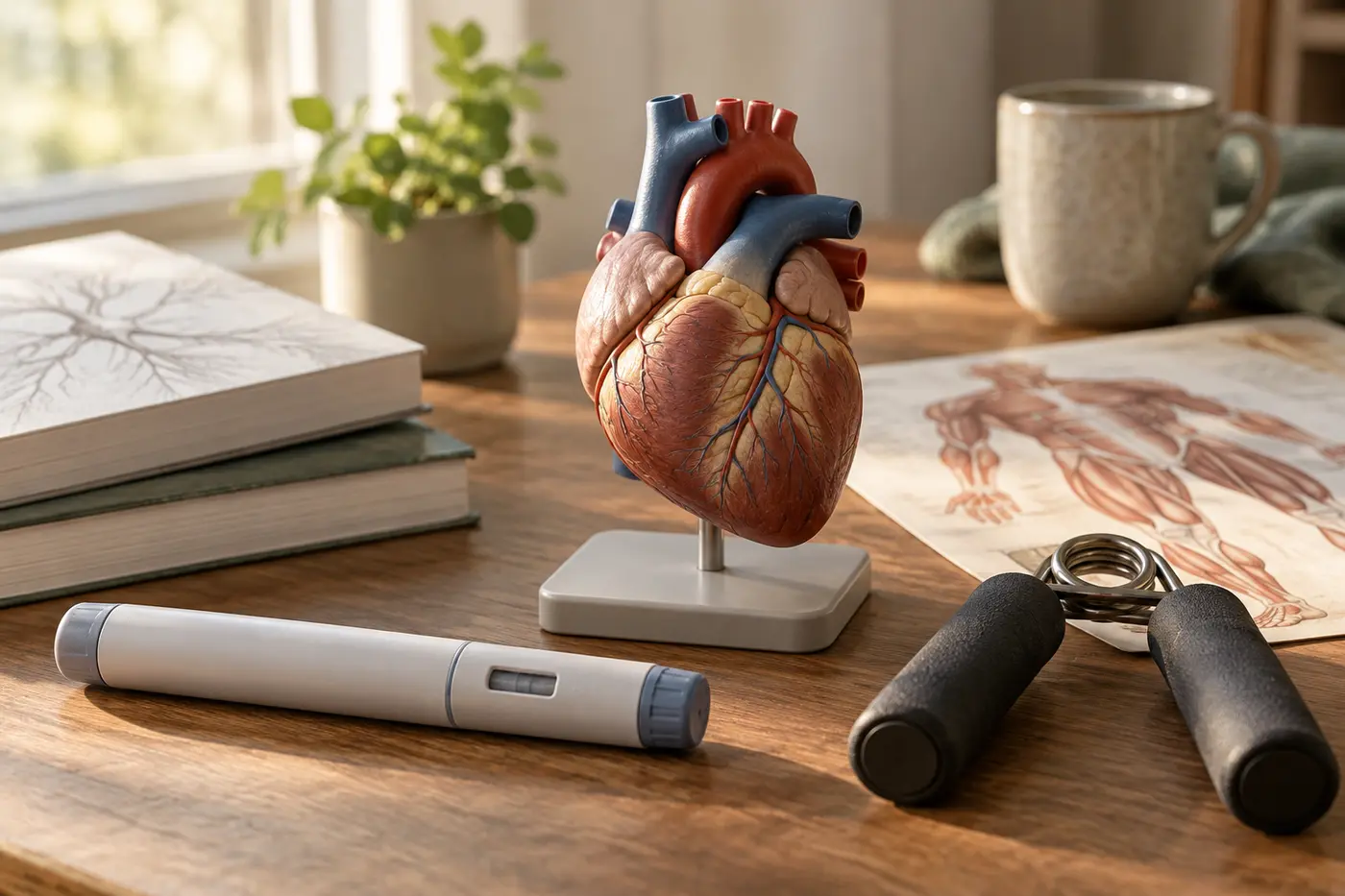
A clear, evidence-based look at how GLP-1 drugs like Ozempic affect the vagus nerve, skeletal muscle, cardiac muscle, and digestive tract, by back pain specialist Stephen, with more than 40 years of clinical experience.

Chronic stress does not just cause back pain. Cortisol reshapes immunity, sleep, digestion, mood, and recovery across every system in the body. Take the cortisol self-test to find out where you sit.

Most food advice starts with elimination. This does not. Three small reductions that have an outsized effect on how the body feels, without rules, without restriction, and without making food complicated.

Learn to identify three dysfunctional breathing patterns and correct them with the Pranayama Reset, a nasal breath protocol that calms the nervous system and reduces spinal compression.

Everything on magnesium and pain: how it blocks pain signals at the nerve level, why it stays so briefly in blood but so long in bone, why some people feel nothing from it, and exact doses and timeframes for sleep, anxiety, migraine, and muscle tension.

A simple standing release using a wall to soften the ribs, upper back, and thoracic spine. No equipment needed. Comfort is the guide.

Before your feet hit the floor on Sunday morning, two minutes of gentle breath awareness can shift your nervous system from protection into calm. Here is exactly how to do it.

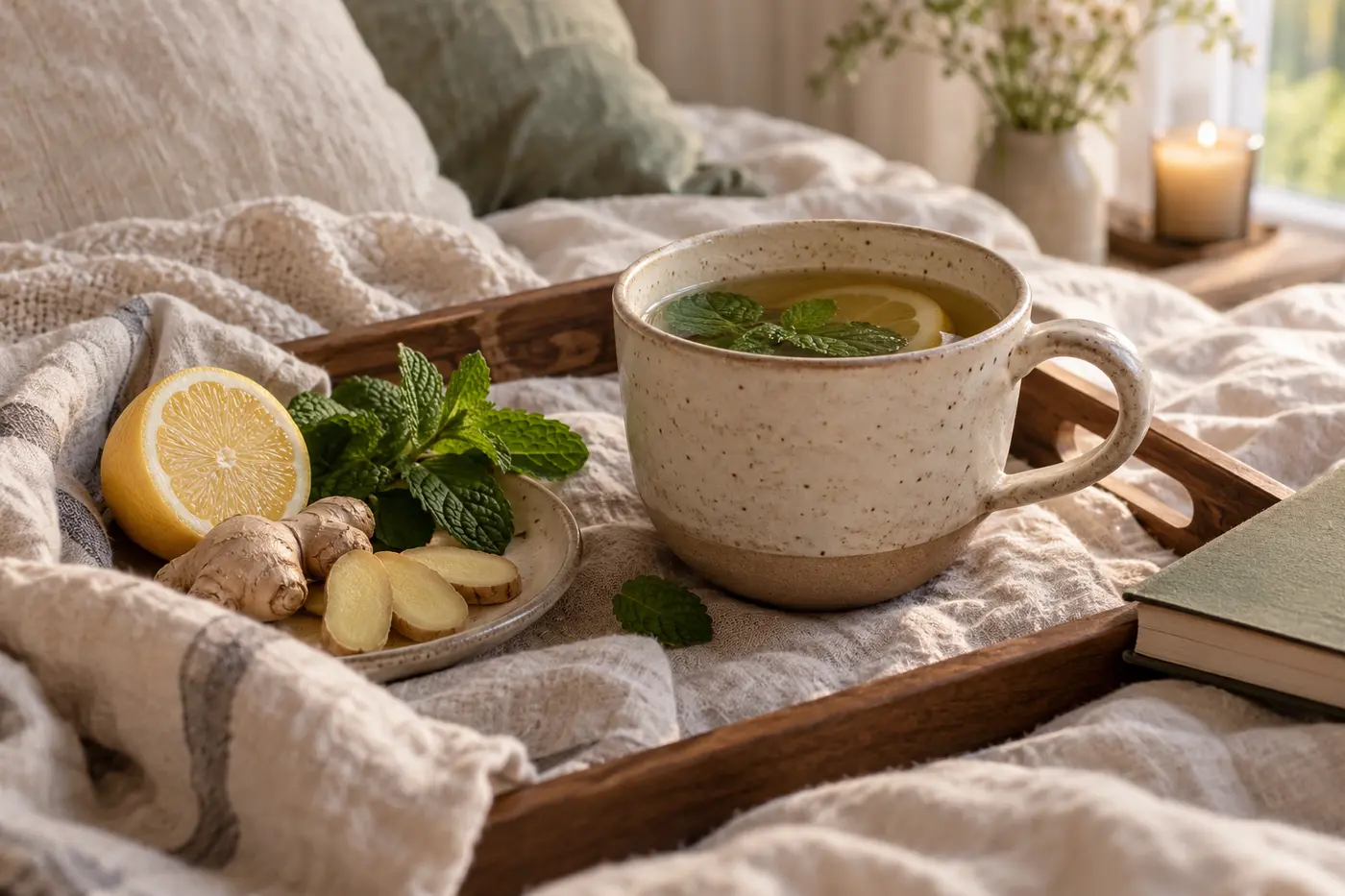
A warm cup before the day begins. Four simple ingredients that reduce inflammation, support the nervous system, and make the Sunday reset feel like something you are genuinely doing for yourself.

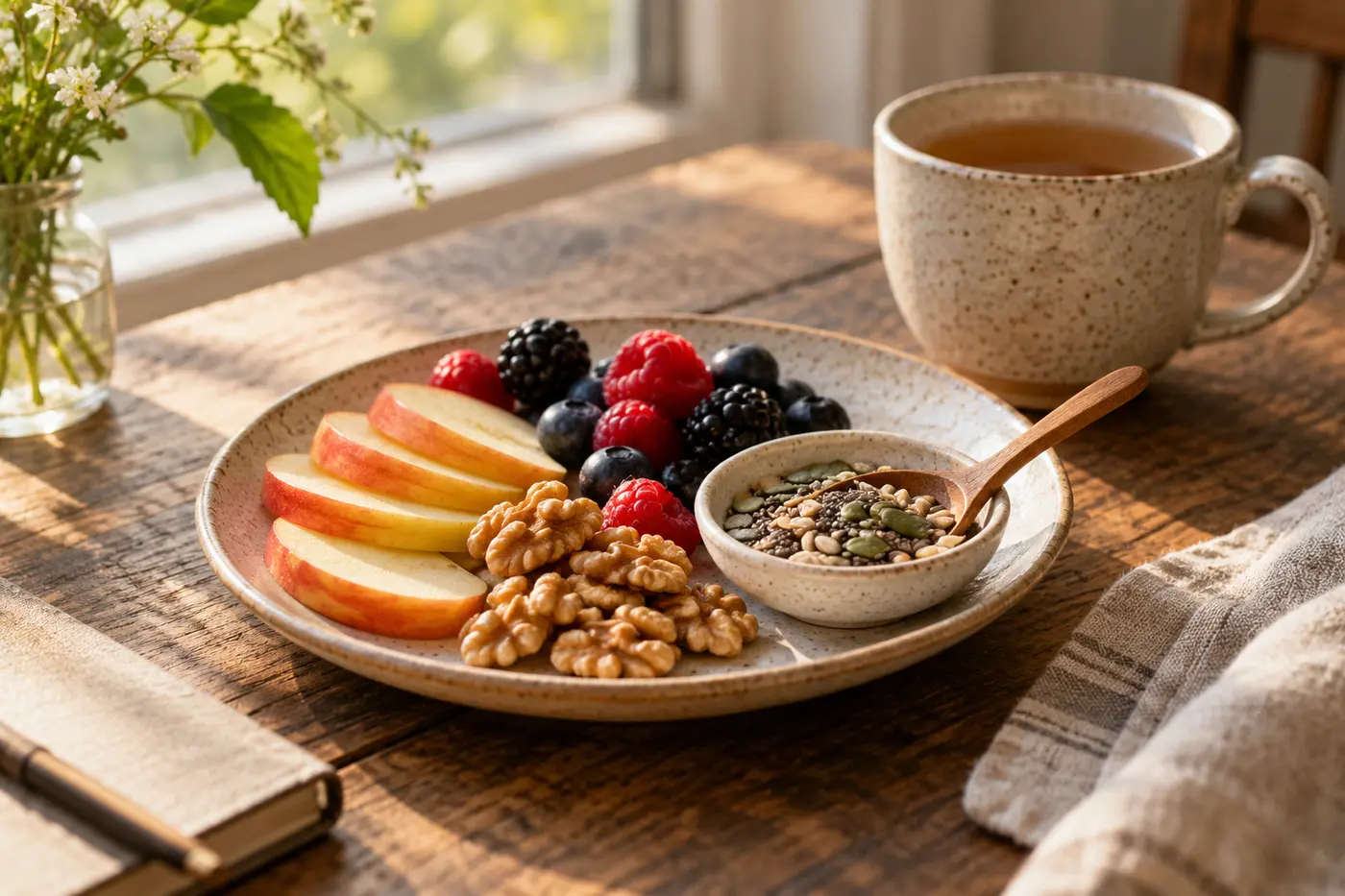
Simple food choices that support steadier energy, calmer inflammation, and a body that feels better through the week. No protocols, no rules.

The psoas is the only muscle in the body that connects your spine to your legs. It also contracts every time your nervous system goes into threat mode. Here is what that means for back pain, and what to do about it.

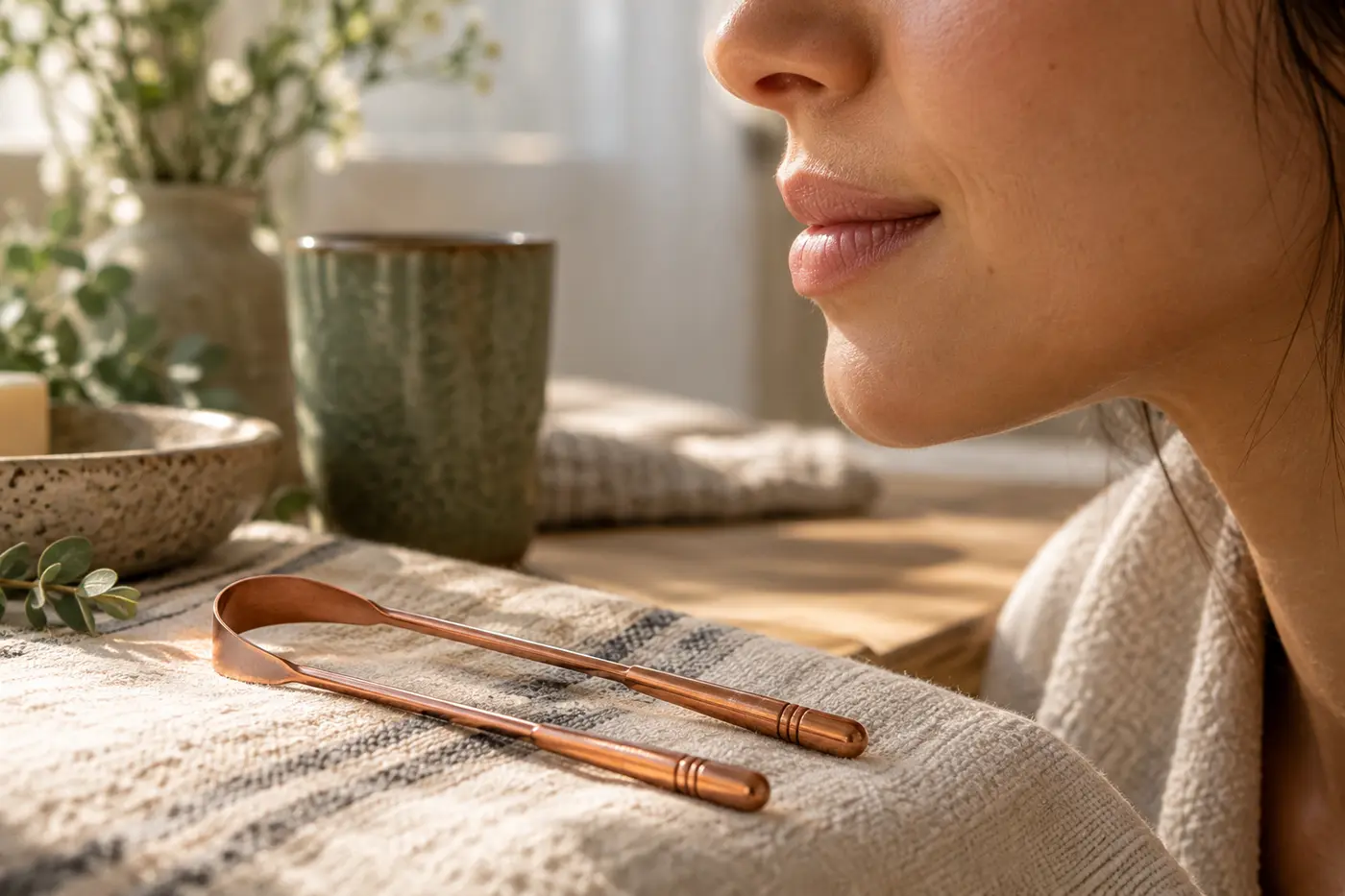
A deep look at tongue anatomy, scraping, oral microbiome, jaw and cranio-cervical alignment, airway, aging, Ayurveda, yoga and the power of speech.

Why getting down and getting back up may be one of the most useful movement skills to keep as you age. Research on floor transfers, strength, balance, yoga and independence.

Sitting compresses the spine, shortens the hip flexors, and braces the nervous system over time. This five-minute standing release needs no equipment and can be done anywhere there is a wall.

How sound affects your nervous system, why low-frequency listening helps the body downshift, and a simple two-minute practice you can try today.

Self-care practices only fully work when the person doing them believes they deserve to feel better. Here is the science behind self-compassion and the nervous system.

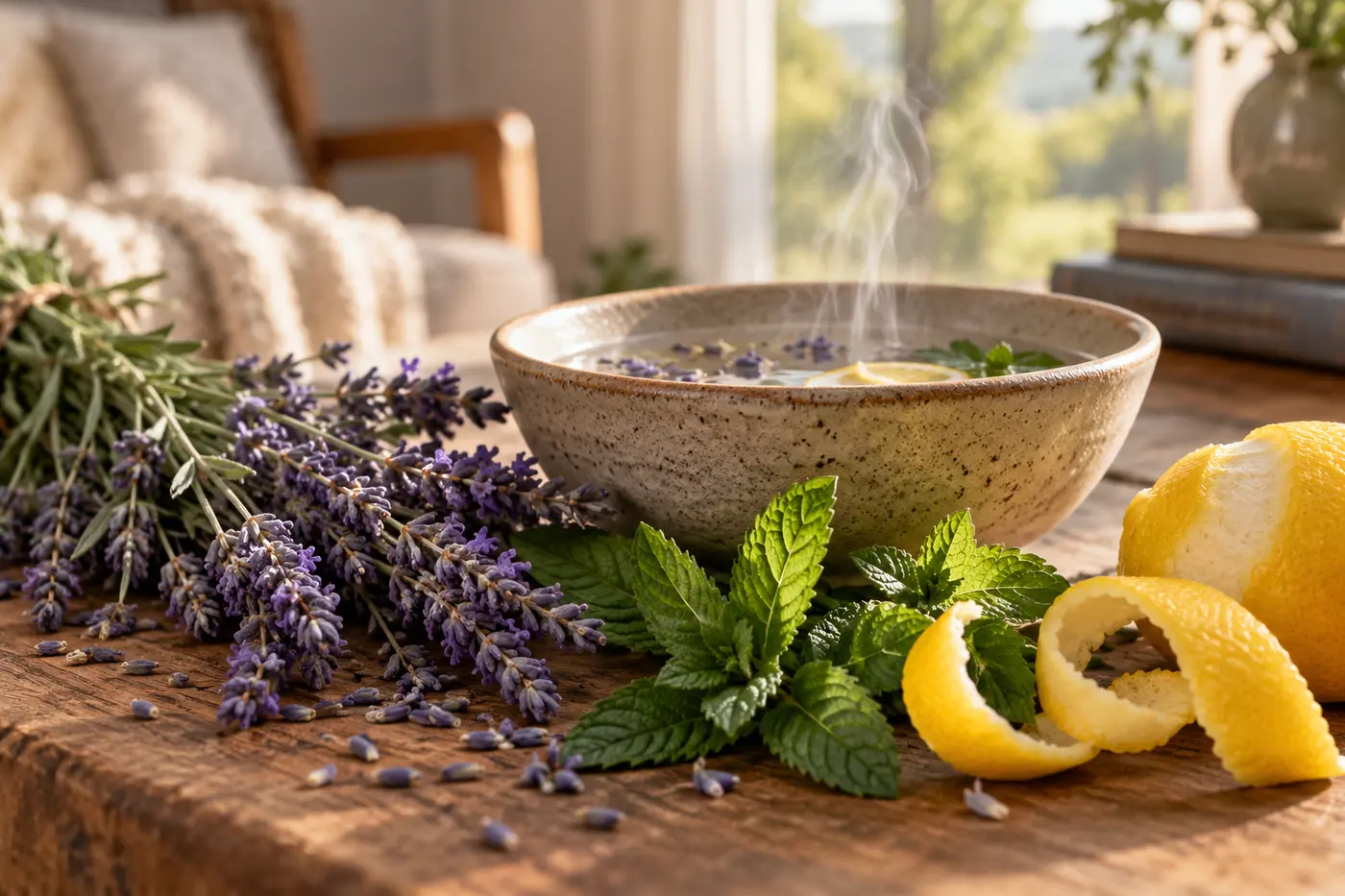
How lavender, peppermint, and lemon can be used deliberately to settle, sharpen, or brighten nervous-system state, plus a simple two-minute scent reset.

Myofascial release does not require a therapist, equipment, or force. Using a soft ball or your own hands, you can soften the protective tension that drives chronic back pain. Here is how.

Why most people over-breathe under pressure, what dysfunctional breath mechanics do to your nervous system, and a simple practice that restores calm in two minutes.