Walk down any wellness aisle and the mushrooms are everywhere. Powders, coffees, capsules, gummies, each one promising a sharper brain, deeper calm, or a stronger immune system by Friday. Some of it is grounded in real biology. A lot of it is marketing wearing a lab coat.
So let us do the calm version. No miracle language, no fear. Just an honest look at the three mushrooms that come up most often, what the research genuinely shows, and how to fit them into ordinary meals in a way that respects your body and your budget.
Lion's mane has the most interesting mechanism for the nervous system, though the human evidence is still early. Reishi is a gentle, low-risk option for calm and sleep. Chaga is antioxidant-rich but barely tested in people, and it comes with a real caution. None of them is a cure. All of them work best as one small, consistent habit rather than a rescue.
No, these will not get you high
It is worth clearing this up early, because it stops a lot of people before they start. The mushrooms in this article are not the same as psychedelic mushrooms. Lion's mane, reishi, and chaga contain no psilocybin. They are not psychoactive. You could eat a plate of lion's mane the way you would eat any other mushroom and feel nothing beyond a pleasant, slightly seafood-like meal.
Psychedelic mushrooms, the ones people call magic mushrooms, are a completely separate group that contains psilocybin, produces hallucinations, and is a controlled substance in most of the world. That is a different topic entirely, and it is not what any of this is about.
What this article covers
- Lion's mane, reishi, chaga
- No psilocybin, not psychoactive
- Legal food and supplements
- Used for nerves, calm, antioxidants
- Effects are subtle and gradual
What it does not cover
- Psychedelic "magic" mushrooms
- Contain psilocybin, cause hallucinations
- Controlled substances in most places
- A separate subject with its own risks
- Not discussed here at all
The three, at a glance
| Mushroom | Best for | Human evidence | Watch for |
|---|---|---|---|
| Lion's mane | Nerves and cognition | Promising, still early | Give it weeks, not days |
| Reishi | Calm and sleep | Limited, mostly traditional | Keep expectations modest |
| Chaga | Antioxidant intake | Very little in people | High oxalates, kidney caution |
Lion's mane: the one with a real mechanism
Lion's mane, or Hericium erinaceus, is the shaggy white mushroom that looks a little like a sea creature. It is the one worth paying attention to, because the story behind it is not just tradition. It contains two families of compounds, hericenones and erinacines, that are able to cross the blood-brain barrier and, in laboratory and animal studies, encourage the production of nerve growth factor. Nerve growth factor is a protein that helps neurons repair, maintain themselves, and form new connections.
That is a genuinely exciting mechanism, and it is why lion's mane keeps showing up in conversations about focus, memory, and nerve recovery. For anyone who lives with back pain or nerve irritation, the interest in nerve repair is understandable.
Here is where honesty matters. Most of that evidence is preclinical, meaning cells and animals rather than people. The human trials that do exist are small and short. A 2023 double-blind pilot from Northumbria University reported some modest short-term improvements in young adults, while other four-week studies found no measurable change in cognition at all. Reviews of the field keep landing on the same conclusion: the mechanism is promising, but larger and longer human trials are still needed before anyone can claim it sharpens a healthy adult's memory.
Sources here include a 2023 pilot in Nutrients and the ongoing review maintained by the Alzheimer's Drug Discovery Foundation, both of which describe the human cognitive evidence as mixed and preliminary.
So the honest framing is this. Lion's mane is not a proven brain upgrade. It is a low-risk food with a plausible mechanism, worth trying with patience and realistic expectations, and judged over weeks rather than days.
The mechanism is real. The marketing is ahead of the evidence. Both of those things are true at the same time, and holding both is what keeps you out of trouble.
Reishi: the calm one
Reishi has been used for centuries in East Asian traditions as a calming, restorative mushroom. Modern interest centres on its polysaccharides and triterpenes, which appear to modulate the immune system and may support a sense of settledness and better sleep.
The human research is thin and the studies are small, so the fair summary is gentle rather than dramatic. If you are drawn to reishi, treat it as a soothing evening ritual, a warm tea before bed, rather than a treatment you expect to feel powerfully. Its safety profile is good for most people, which makes it a reasonable thing to experiment with as long as expectations stay modest.
Chaga: antioxidant-rich, but read the caution
Chaga grows on birch trees and is prized for its very high antioxidant content. In laboratory and animal work it shows anti-inflammatory and immune-supporting activity. What it does not have is much human research at all, so any confident health claim about chaga in people is running ahead of the evidence.
Chaga also carries a caution that rarely makes the marketing. It is high in oxalates, which matters for anyone with a history of kidney stones or kidney concerns, and like the others it can interact with blood-thinning and blood-sugar medication. This is not a reason to fear it. It is a reason to be sensible, use modest amounts, and check with your doctor first if any of that applies to you.
The evidence-informed bottom line
Functional mushrooms are not snake oil, and they are not magic. Lion's mane has the most compelling mechanism and the most human interest, but the cognitive evidence is still early. Reishi is a gentle, low-risk option for calm. Chaga is antioxidant-rich and under-studied in people. Across all three, the honest position is the same one that runs through everything here: a small, consistent habit, held with realistic expectations, is worth more than a shelf of powders bought on a promise.
Food first, capsules second
Lion's mane has an advantage the other two do not. It is a real culinary mushroom, with a mild, slightly seafood-like taste and a meaty texture, which means the simplest way in is to eat it. Food first is almost always the better starting point than reaching straight for capsules.
If you want a practical, repeatable way to bring it in:
- Choose a fruiting-body product. Look for lion's mane made from the fruiting body rather than only mycelium grown on grain, and favour brands with third-party testing.
- Start small. Begin with a low daily amount so you can notice how you respond before you increase it.
- Stir it into something warm and savoury. A one-pot bowl, a soup, or even your coffee. The flavour disappears into anything with a bit of depth.
- Give it several weeks. Any effect is gradual. Judge it over a month of steady use, not a single morning.
Over on my other project, foodforbackpain.com, lion's mane is one of the ingredients I layer into the Morning Monster Mash, a warm whole-food bowl built for connective tissue and steady energy. It goes in for exactly the reason above: the nerve growth factor pathway, added quietly to a meal I am already eating. That is the spirit of it. You do not rebuild your diet. You add one useful thing to something that already works. The full breakdown, including how I use it, is on that site.
Who should be careful
For most people these mushrooms are well tolerated. Still, a few honest cautions belong here. They can interact with blood-thinning and antiplatelet medication, and with blood-sugar medication, so if you take either, talk to your doctor first. Chaga's oxalate content matters for anyone with kidney stone history. Allergies to mushrooms are possible. And product quality varies a great deal, which is why third-party testing and fruiting-body sourcing are worth the small extra effort.
If you are pregnant, breastfeeding, or managing a health condition, treat these as something to raise with a professional rather than start alone. Gentle and sensible beats bold and uninformed every time.
The products I would point you to
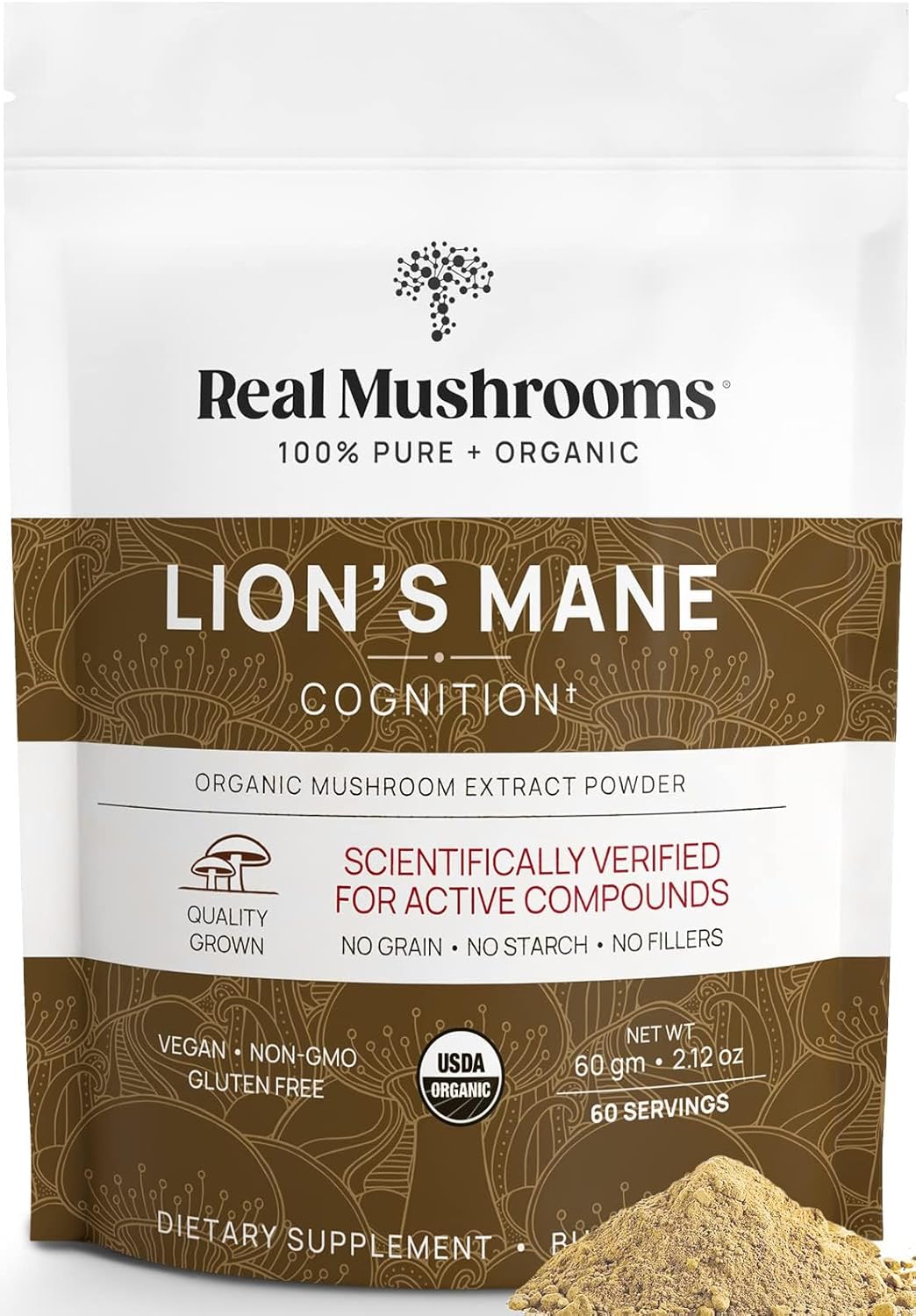
Organic lion's mane (Hericium erinaceus)
The one to start with. A fruiting-body extract you can stir into a warm bowl or coffee. This is the same lion's mane I layer into the Morning Monster Mash. Give it consistent daily use and judge it over weeks.
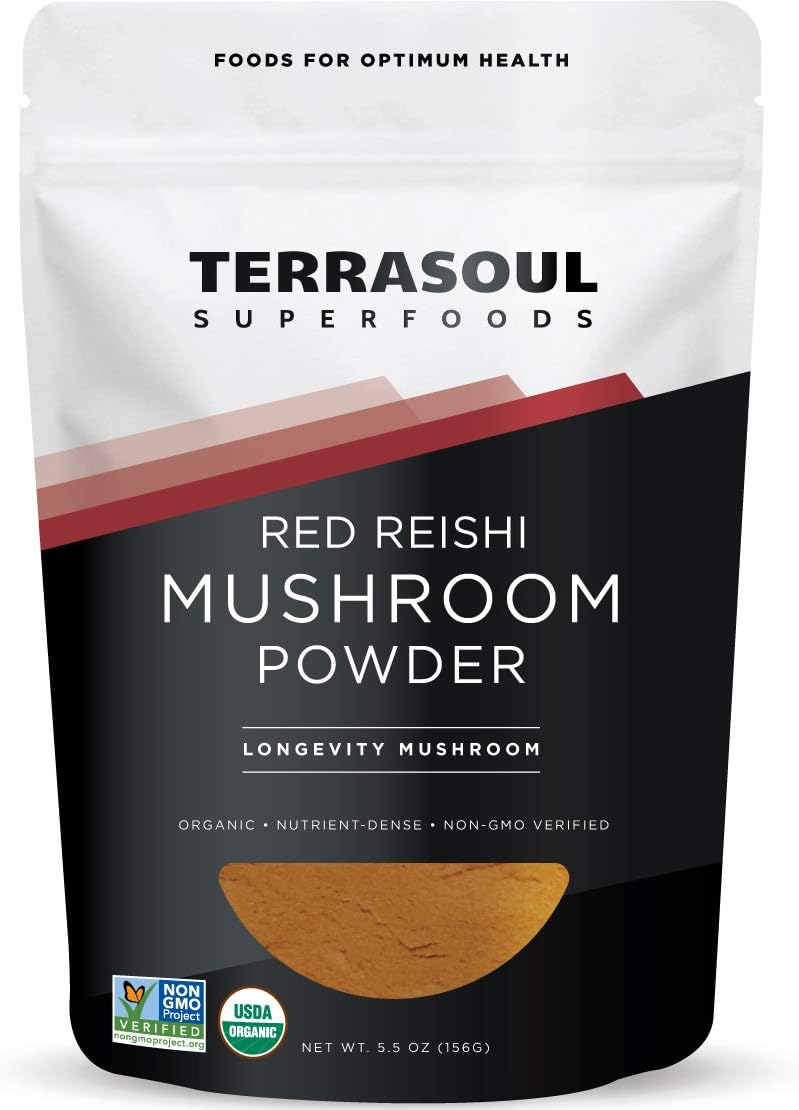
Reishi (Ganoderma lucidum)
A gentle evening option for calm and sleep support, best as a warm tea or extract. Product image still to add.
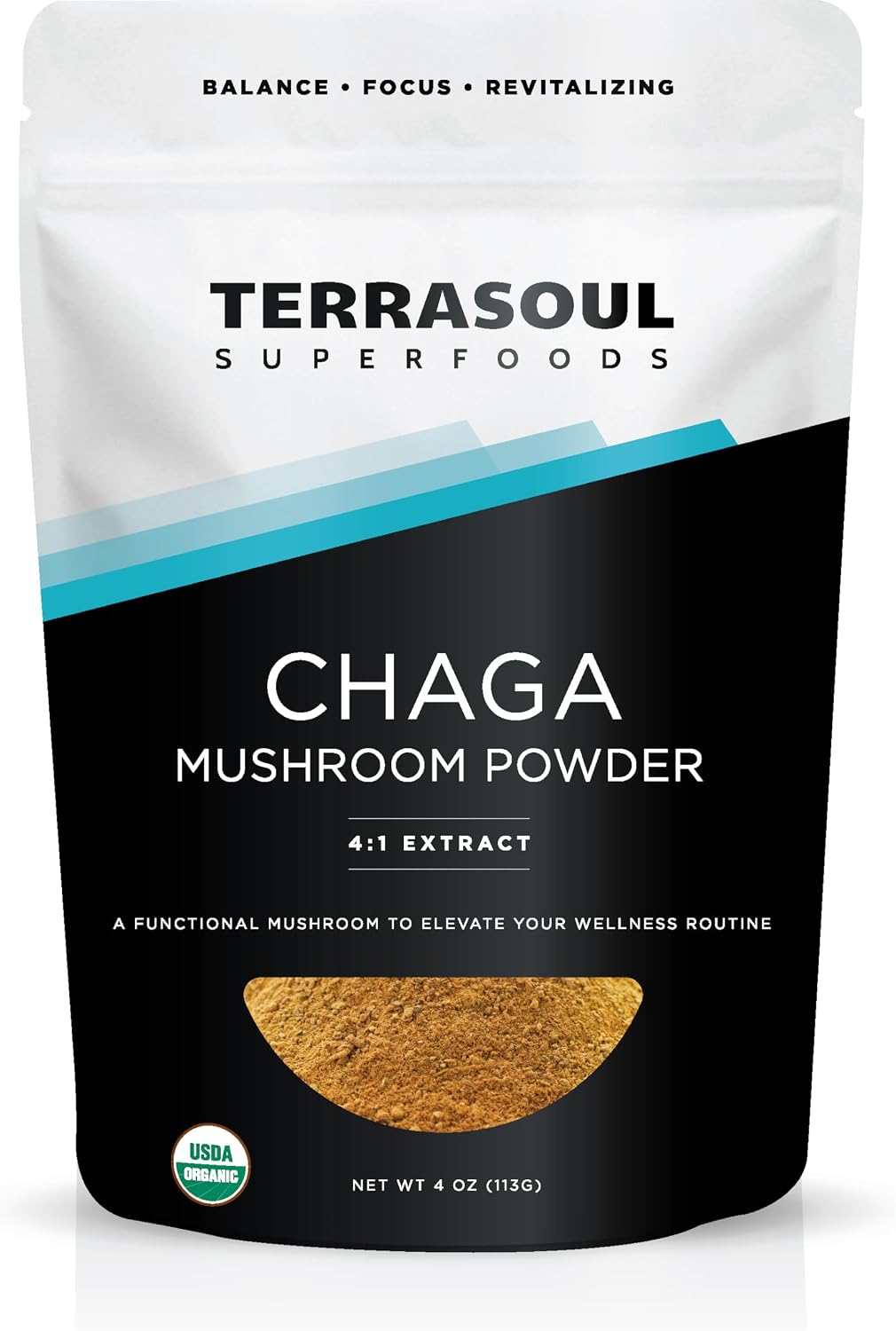
Chaga (Inonotus obliquus)
Antioxidant-rich, usually taken as a tea. Note the oxalate caution above. Product image still to add.
Questions people ask
Will these get you high?
No. Lion's mane, reishi, and chaga contain no psilocybin and are not psychedelic. They are culinary and medicinal mushrooms, sold legally as food and supplements. The "magic" mushrooms people mean by that question are a separate, psilocybin-containing group, and they are not covered here.
Does lion's mane actually improve memory?
The mechanism is real and interesting, but the human evidence is mixed and early. Some small trials report modest short-term gains, others find no measurable change. Promising, not proven, for healthy adults.
What is the difference between the three?
Lion's mane is studied mainly for nerves and cognition. Reishi is the calm-and-sleep mushroom. Chaga is the antioxidant one. Different profiles, none a cure.
Can I just eat mushrooms instead of supplements?
With lion's mane, yes, it is a genuine food. Reishi and chaga are too tough and bitter to eat, so they are taken as teas or extracts. Food first is a good rule wherever it is possible.
Are they safe?
For most people, yes, but not risk-free. Watch for interactions with blood-thinning and blood-sugar medication, the oxalate caution with chaga, and variable product quality. When in doubt, ask your doctor.
Keep it gentle, keep it consistent. See you next Sunday.