GLP-1 medications like Ozempic are one of the most talked about topics in health right now, and most of the conversation stays at the surface: weight lost, pounds gained back, before and after photos. Underneath that conversation, something more interesting is happening in the body. These drugs appear to work substantially through the vagus nerve, the same nerve at the center of the breathwork we practice together every Sunday, and they touch three very different kinds of muscle in three very different ways. This is a calm, well cited walk through what is currently known, what is genuinely uncertain, and what you can do either way. It is not an argument for or against the medication. It is information, so you can make your own decision with your own doctor.
What Ozempic actually is
Ozempic is a brand name for semaglutide, a GLP-1 receptor agonist. GLP-1 is a hormone your gut already makes after eating, and drugs like semaglutide mimic it at a much stronger, longer lasting dose. The result is slower stomach emptying, reduced appetite, and better blood sugar control, which is why these drugs were developed for diabetes before becoming widely used for weight loss. Everything below follows from that single mechanism playing out across different tissues in the body.
The vagus nerve
The vagus nerve is the main highway of the parasympathetic nervous system, the part of you responsible for rest, digestion, and calm. It turns out this same nerve may be central to how Ozempic works. In animal studies where the vagus nerve below the diaphragm was surgically cut, GLP-1 stopped reducing food intake or speeding metabolism entirely, which suggests the drug's effects run largely through vagal signaling rather than a separate pathway (Tracey, Feinstein Institutes).
This same vagal mechanism is what slows digestion. GLP-1 activates the vagus nerve to reduce stomach contraction and extend how long food sits in the stomach, which is the direct cause of the fullness, nausea, and slower digestion many people on these drugs report (Nature: Signal Transduction and Targeted Therapy). There is also emerging research on the brain's reward circuitry, showing GLP-1 drugs quiet activity in regions tied to food seeking and cravings, which may explain why appetite for highly palatable food often drops sharply on these medications (Nutritional Sciences and Applications, 2025).
What is genuinely uncertain is what sustained, long term vagal stimulation does over years rather than months. This is an honest gap in the research, not a hidden danger, but it is worth knowing that it is a gap.
Slow nasal breathing, in for a count of four and out for a count of six, directly activates the vagus nerve and is genuinely useful in the moment nausea appears, not just as a relaxation technique.
Eat slowly, set your utensils down between bites, and stop at first fullness rather than a habitual clean plate. This retrains the felt sense of satiety instead of fighting it (Oshi Health).
A short walk after eating and staying upright for twenty to thirty minutes post meal both support the digestive movement the vagus nerve is already trying to encourage (Peony Health).
Skeletal muscle
This is the muscle loss people worry about most, and it is real. Clinical trials show semaglutide can lead to roughly 14 percent loss of lean muscle mass during treatment, which sounds alarming until you look closer (Drugs.com, clinically reviewed). A meaningful share of that lean mass loss is comparable to what happens with caloric restriction alone, and DEXA scans measure water and organ tissue alongside actual muscle, so headline percentages tend to overstate true skeletal muscle loss. One recent study found that while lean mass initially dropped, it stabilised over time, and grip strength actually improved by twelve months as sarcopenic obesity rates fell substantially (SEMALEAN study, 2025). The real risk group is older adults, where the medical literature specifically warns GLP-1 drugs may worsen age related muscle loss (Endocrine News).
Here is the reassuring biology underneath all of it. Adult skeletal muscle grows almost entirely through hypertrophy, meaning your existing muscle fibers get bigger, not through hyperplasia, meaning you do not grow brand new muscle cells in adulthood (Development, Company of Biologists). That means the muscle loss on these medications is fiber shrinkage, a protein turnover problem, not a cell death problem. The cells are still there. Shrinkage of this kind responds well to the same two levers that build muscle in anyone.
Resistance training two to three times a week is the single highest impact intervention for preserving and rebuilding lean mass on a GLP-1 medication.
Protein intake in the range of 1.2 to 1.6 grams per kilogram of body weight daily is the most effective dietary strategy alongside training. Hemp seed is a genuinely useful whole food source here, since it is a complete protein containing all nine essential amino acids in a highly digestible form.
Hemp seed
Complete plant protein, all nine essential amino acids, a foundation ingredient in my own Morning Monster Mash protocol.
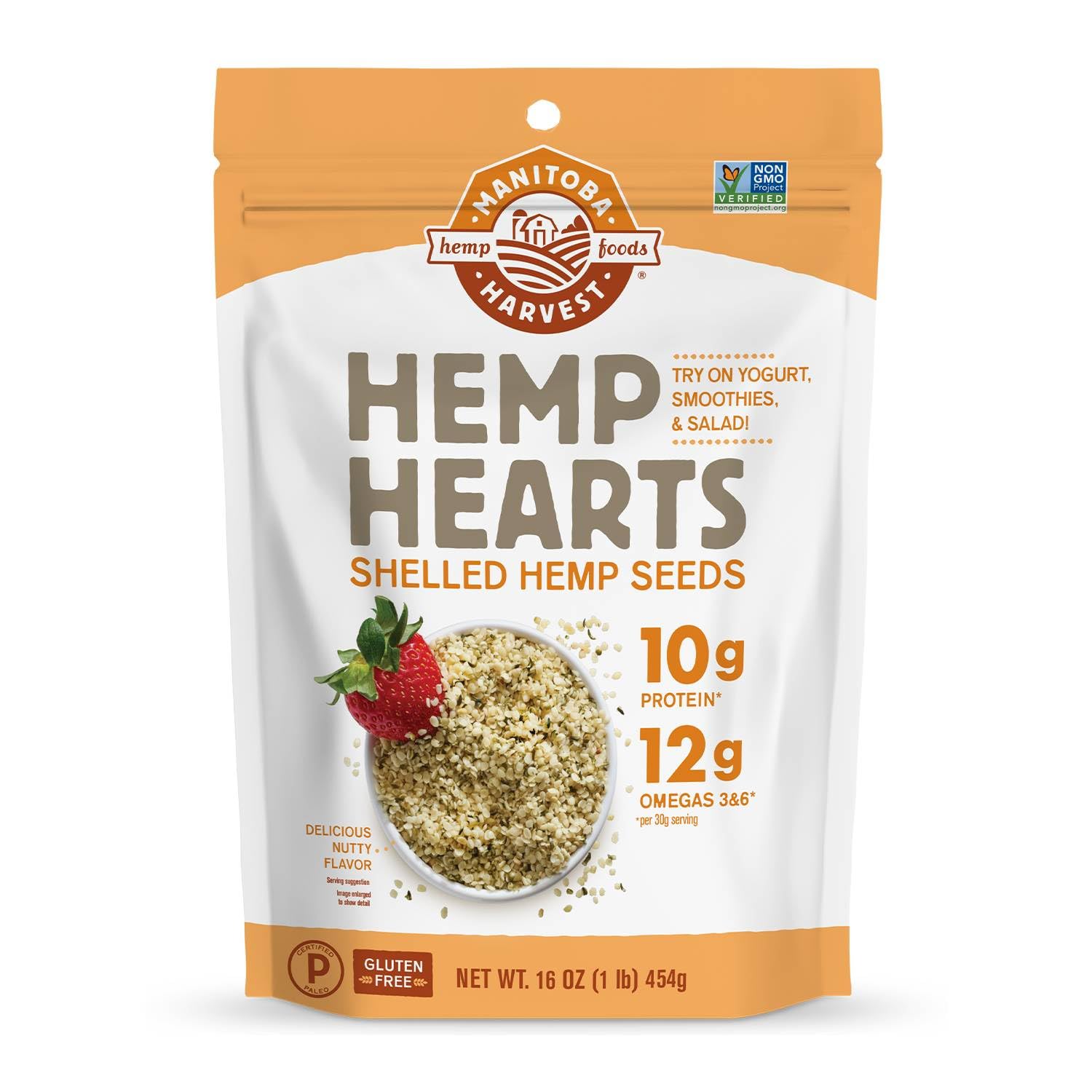
Read the full hemp seed science brief (PDF) from Food for Back Pain.
Cardiac muscle
The heart is a different kind of muscle entirely, and this is the section where a healthy dose of skepticism is warranted. In a controlled study, mice treated with semaglutide for twenty one days showed decreases in overall heart mass and in the size of individual heart muscle cells, with no observed change to heart function or wall thickness in that short window (ScienceAlert, reporting University of Alberta research; UofL Health). Importantly, this shrinkage appeared even in lean mice, not only obese ones, which suggests a direct effect on cardiac tissue rather than simply a heart adapting to a smaller body. Same length blood vessels, same amount of work to do, less muscle doing it. That is a reasonable thing to want to understand better before assuming it is neutral.
The heart is a muscle, and this gives you a genuine, well documented lever. Regular aerobic conditioning produces physiological cardiac hypertrophy, a healthy increase in heart muscle mass and cell size, distinct from the harmful hypertrophy seen in disease and associated with normal or improved cardiac function (American Physiological Society). If cardiac muscle mass is under pressure from the medication, consistent cardio is the logical, evidence based counter measure.
Digestive tract muscle
This is the section that deserves the most caution, and I want to be direct about that rather than softening it. The smooth muscle of the stomach and intestines depends on vagal signaling to contract normally. When that signal is chronically dialed down, the result in some people goes beyond ordinary slower digestion into gastroparesis, a stomach that empties far too slowly or not at all. For most people symptoms ease within weeks of stopping the medication as drug levels decline. But documented cases exist of symptoms persisting for a year or longer after discontinuation, and permanent gastroparesis has been reported in rare instances, particularly with prolonged use (Drugs.com, clinically reviewed; case report, PMC).
Unlike skeletal muscle, there is no established rehabilitation protocol for regaining lost intrinsic gut motility once it is gone. Skeletal muscle responds reliably to resistance training. The gut does not have an equivalent, proven exercise. That asymmetry is worth sitting with honestly rather than glossing over with reassurance the science does not fully back yet.
Soluble and mucilaginous fiber genuinely supports smooth muscle activity in the colon, not just stool bulk. Fermentation of fiber by gut bacteria produces short chain fatty acids that directly enhance colon muscle activity (The Real Gut Doctor). Chia and hemp seed are both rich in this kind of fiber, and chia in particular forms a mucilage gel that lubricates and encourages gentle, regular movement.
Core and abdominal movement, including planks, bridges, and simple leg raises, along with regular aerobic movement, mechanically stimulates bowel activity, and gentle abdominal massage has documented effects on peristaltic activity (Fleet Labs).
A note on what I am deliberately not recommending here: magnesium is often suggested for digestive muscle relaxation, but many common forms, and magnesium glycinate in particular, loosen stool. Since the goal here is better coordinated muscle function rather than looser stool, I am leaving magnesium out of this particular protocol.
Chia seed
Mucilage gel fiber and ALA omega-3, a genuine lever for gut terrain and bowel regularity, not just bulk.
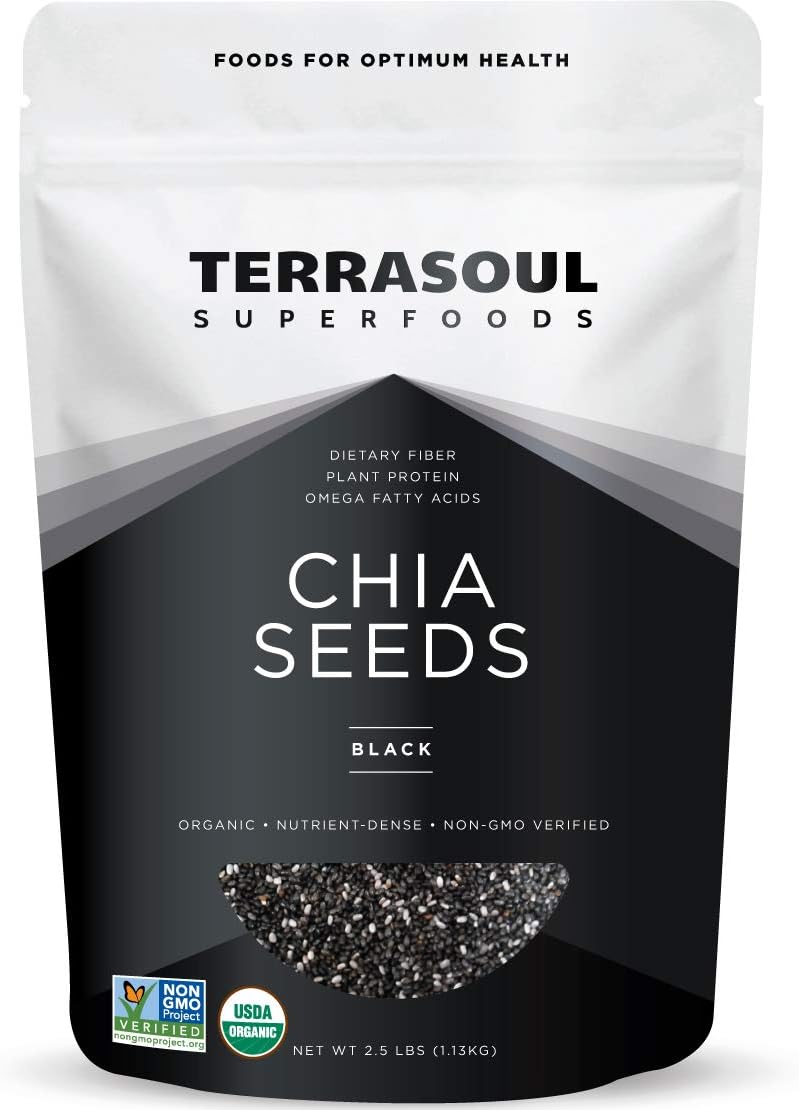
Read the full chia seed science brief (PDF) from Food for Back Pain.
Creatine, across all three
Creatine is worth its own section because it genuinely touches every system above, not as a stretch, but mechanistically. Creatine increases intramuscular phosphocreatine, which speeds ATP resynthesis, the energy currency your cells run on, in skeletal muscle, cardiac muscle, and neurons alike. In my own Morning Monster Mash protocol I describe creatine as a compliance amplifier, since the point is not muscle performance alone, it is having the energy to actually do the resistance training and walking that make the rest of this article possible.
The brain research on creatine has moved quickly. Daily creatine monohydrate has been shown to raise brain phosphocreatine by 10 to 15 percent, and the same rapid ATP regeneration system that powers muscle also powers neurons (brain energy research summary, 2026). Recent work also links creatine to reduced brain inflammation and possible support for neuroplasticity (Psychology Today). Given that GLP-1 medications reduce overall food and calorie intake substantially, supporting brain energy metabolism directly is a reasonable, low risk addition rather than an unrelated trend.
Creatine monohydrate
Increases intramuscular phosphocreatine 20 to 40 percent. The ingredient I personally use daily.
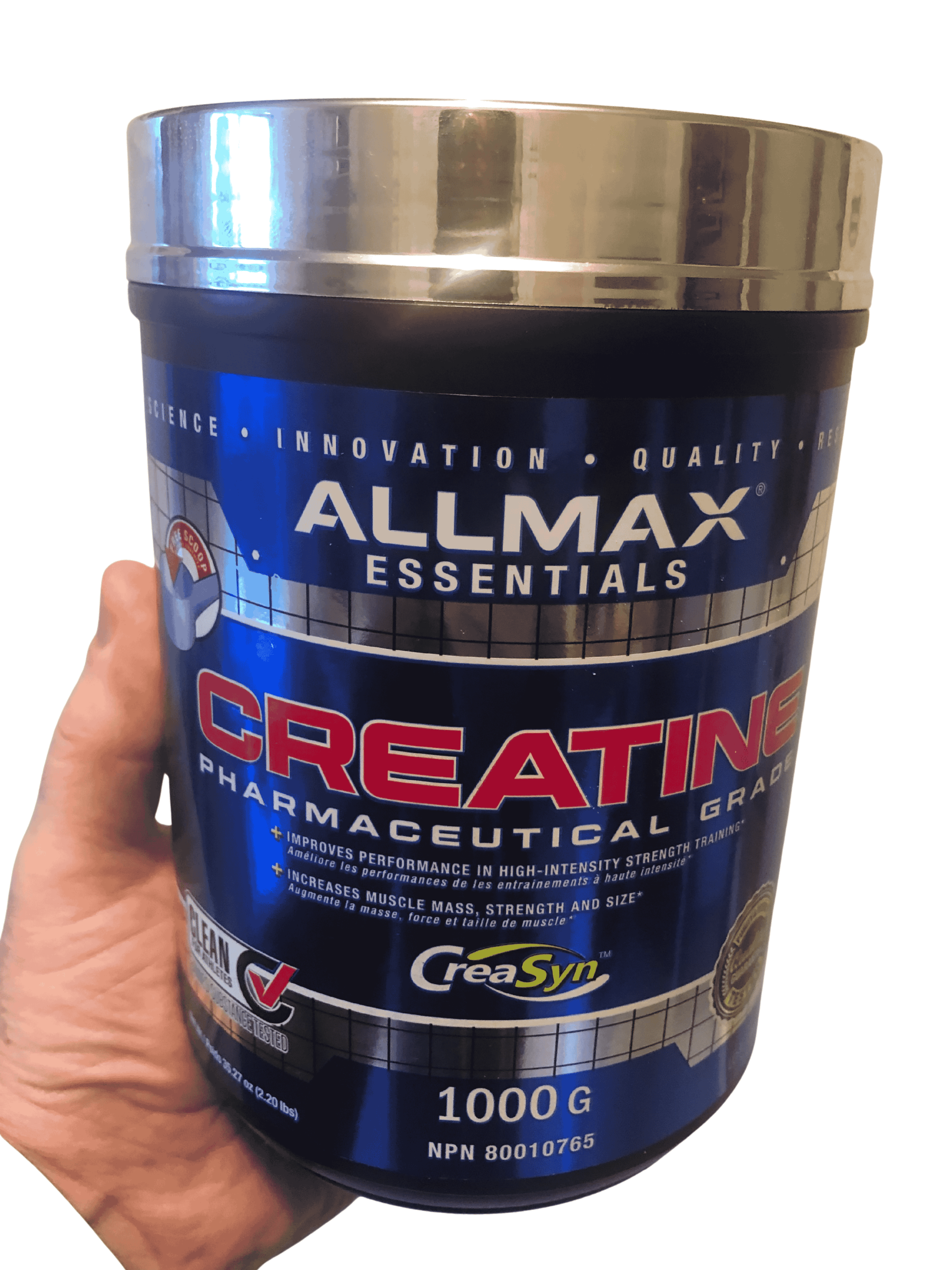
Read the full creatine science brief (PDF) from Food for Back Pain, where I write about the full Morning Monster Mash protocol.
Not a verdict, just the facts
None of this is meant to talk you into or out of using a GLP-1 medication. That decision belongs to you and your doctor, with your own history and your own body in the room. What I hope this gives you instead is a clearer, calmer picture of what is actually happening beneath the surface, and a genuinely useful, non-alarmist set of things you can do either way: move your body, eat enough protein and fiber, and support the systems working hardest behind the scenes.
A few honest answers
Does Ozempic affect the nervous system?
Yes. Current research suggests these drugs work substantially through the vagus nerve, the same nerve that governs digestion and the parasympathetic rest and calm response.
Does Ozempic cause permanent skeletal muscle loss?
Generally no, for skeletal muscle specifically. Adult muscle grows by enlarging existing fibers rather than growing new muscle cells, so lost size is regainable through resistance training and adequate protein. That is not true across the board though. Cardiac muscle reductions have shown up even in lean, non-obese subjects, and gastroparesis in the digestive tract can be permanent in rare, documented cases.
Can Ozempic shrink the heart?
Animal research shows reduced heart mass and heart muscle cell size on semaglutide, including in lean subjects. Long term human significance is not yet settled, and it is worth knowing most reassuring cardiac trials are manufacturer funded.
Is gastroparesis from Ozempic reversible?
Often, but not always. Most symptoms ease after stopping the medication, but documented cases of longer term or permanent symptoms exist, particularly with prolonged use.
Sources cited in this piece
- GLP-1 receptor mechanisms, Signal Transduction and Targeted Therapy
- GLP-1 agonists and reward circuitry, Nutritional Sciences and Applications
- Ozempic and muscle loss, Drugs.com
- SEMALEAN study on semaglutide and lean mass
- GLP-1 agonists and sarcopenia in older adults, Endocrine News
- Muscle fiber hypertrophy without satellite cells, Development
- Semaglutide and cardiac muscle mass, ScienceAlert
- STEP-HFpEF trial design and funding, JACC: Heart Failure
- Athlete's heart and physiological cardiac hypertrophy, American Physiological Society
- Gastroparesis risk, Drugs.com
- Semaglutide-induced gastroparesis case report, PMC
- Dietary fiber and gut motility, The Real Gut Doctor
- Exercise and gut motility, Fleet Labs
- Creatine and brain energy metabolism, 2026 research summary
- The new neuroscience of creatine, Psychology Today
A bigger source worth your time: the ingredients discussed in this piece, hemp seed, chia seed, and creatine, form the backbone of my own daily Morning Monster Mash protocol at foodforbackpain.com, where I write about whole-food nutrition for connective tissue, digestion, and nervous system support in far more depth.
This site participates in the Amazon Associates program. Some product links above are affiliate links. If you click and purchase, I receive a small commission at no extra cost to you. I only recommend products I use myself. Educational content only. Not medical advice.