Nervous system · Scent

Scent and the Nervous System

By Stephen Backhealer

Why smell is the fastest route to calm, clarity, and a different nervous-system state.

Lavender to settle. Peppermint to sharpen. Lemon to brighten. Three simple scents, three very different jobs, and one unusually direct pathway into the brain.

The direct route

Smell gets there differently.

Every other sense gives the brain more opportunity to sort and redirect the signal before it becomes part of emotion and memory. Olfaction is unusual. Its earliest pathways do not require the same initial thalamic relay used by vision, hearing, touch, and taste. From the olfactory bulb, scent information reaches networks closely tied to the amygdala, hippocampus, and orbitofrontal cortex.

That is not just anatomical trivia. It helps explain why a smell can bring back a memory with astonishing speed and why the emotional reaction can arrive before you have consciously worked out what you are smelling.

It also makes scent a useful nervous-system lever. Most of us discover that accidentally. A candle that makes the room feel softer. Fresh rosemary that wakes the brain up. A smell from childhood that changes the entire mood in half a second.

The more useful version is to stop leaving it to chance.

The question is not, “What smells nice?” It is, “What state am I trying to create?”
Three scents. Three jobs.

Choose the state before you choose the bottle.

This is where aromatherapy becomes more useful. We are not trying to build a shelf full of oils. We are using three clean, organic scents that point in three different directions. The question comes first: do you want to settle, sharpen, or brighten?

SettleEvening · stress · winding down

Lavender

When the system is running too hot.

Lavender is the calmest member of this trio. It is the one to reach for when the body feels switched on, the jaw is tight, the mind will not stop, or sleep feels farther away than it should. Human trials and reviews have reported reductions in subjective anxiety and, in some studies, physiological stress markers after deliberate lavender inhalation.

The useful lesson is not that lavender is a knockout drug. It is that scent can become part of a repeatable downshift ritual. Use it before bed, before a stressful event, or anytime you want to soften the edge rather than push harder.
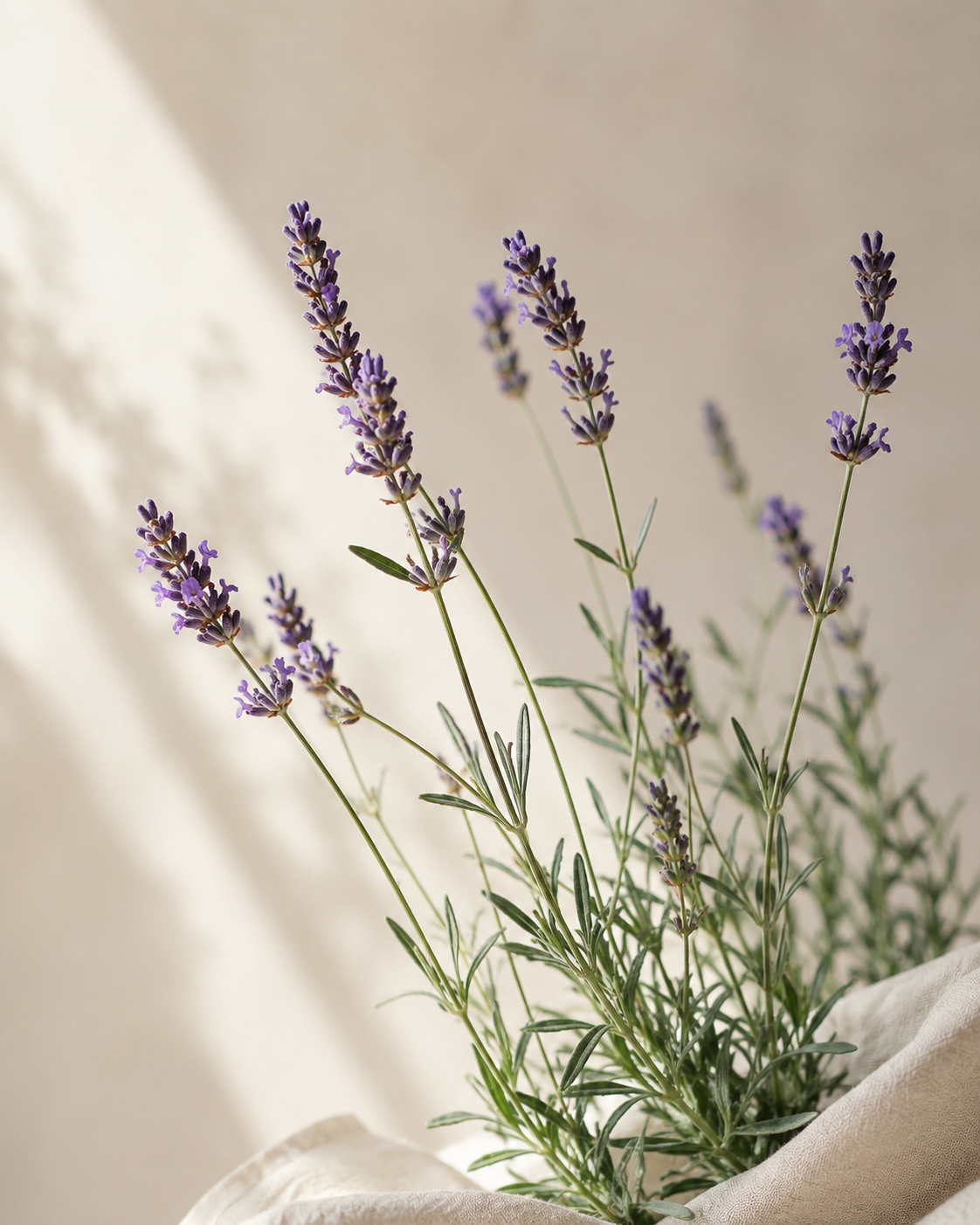
Lavender plant with purple flower spikes in soft natural light
Lavender is the settling scent in this three-oil set.
SharpenFocus · afternoon slump · mental fatigue

Peppermint

When the mind feels flat instead of frantic.

Peppermint belongs on the other side of the nervous-system shelf. It is bright, cooling, and stimulating rather than sedating. Studies of peppermint aroma have linked it with greater subjective alertness and, in some settings, better performance on attention or memory tasks.

This is the one for the middle of the day, not the end of it. Use peppermint when you need a cleaner signal, a little more vigilance, or a way out of that heavy afternoon fog.

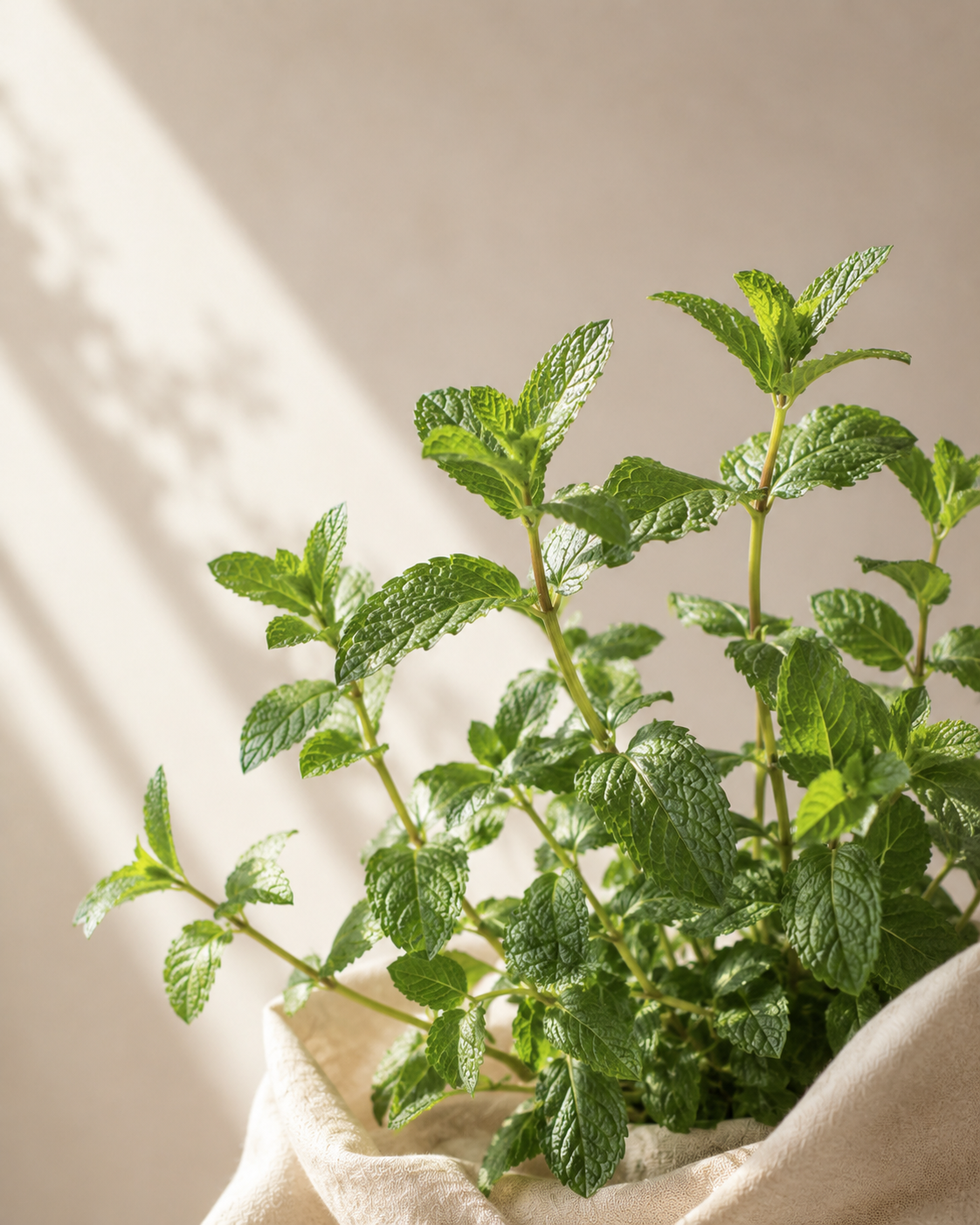
Peppermint plant with textured green leaves in warm sunlight
Peppermint is the sharpening scent.
BrightenMood · daytime stress · reset

Lemon

When you do not need sedation or stimulation, just a lift.

Lemon sits in the useful middle ground. Citrus scents are often experienced as fresh and uplifting, and research on citrus aromas suggests they can influence mood and stress perception without the heavier feel of a deeply calming scent.

Think of lemon as a reset scent. It is especially useful when the room, the mood, or the middle of the day feels stale. You are not trying to put the nervous system to sleep. You are trying to make the state feel lighter.

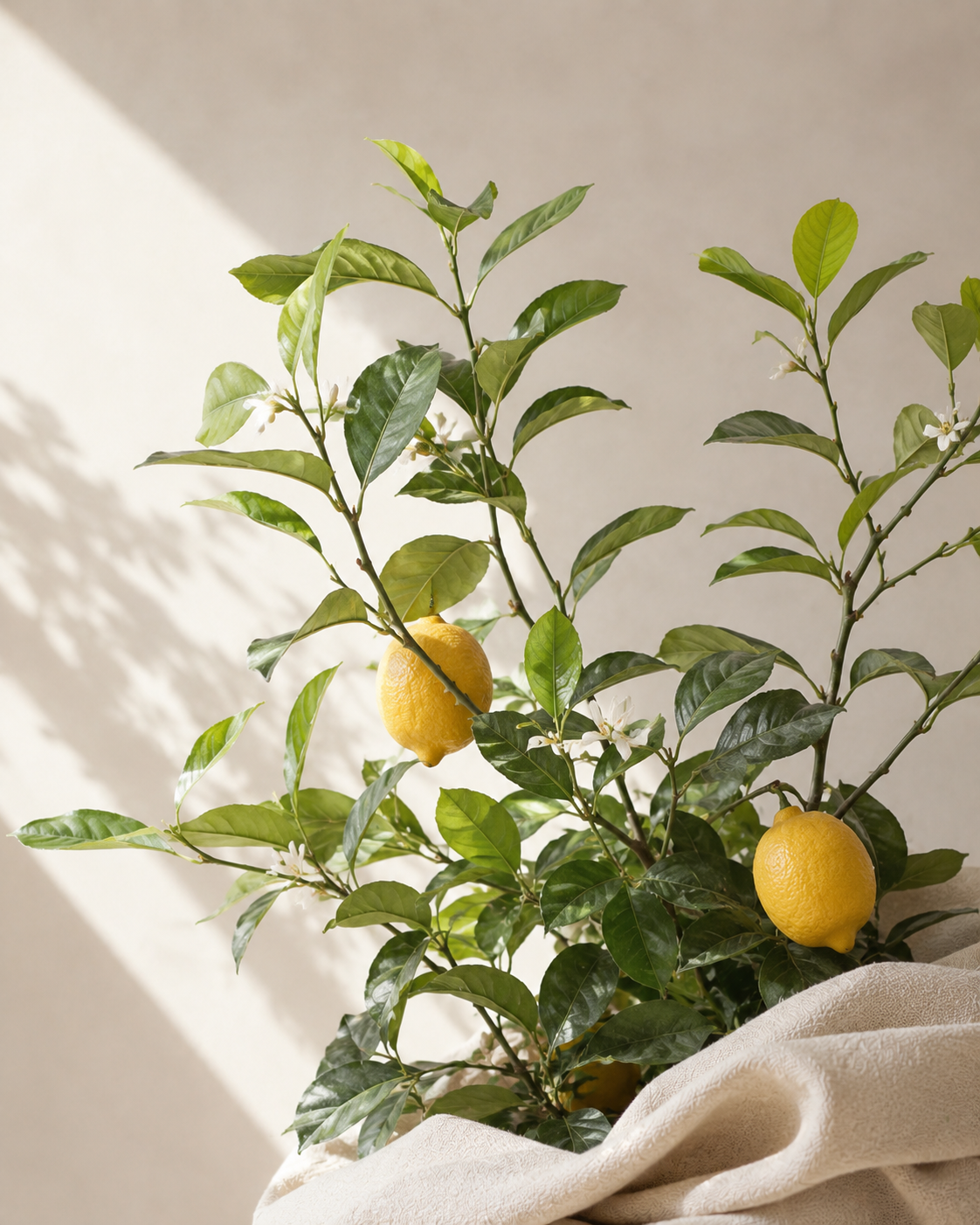
Lemon plant with leaves, blossoms, and fruit in soft natural light
Lemon is the brightening scent.
Wired? Lavender. Foggy? Peppermint. Flat? Lemon.
Midlife and smell

After 40, use scent more deliberately.

The popular version says the sense of smell suddenly collapses with age. That is too dramatic. Healthy adults vary enormously, and smoking, respiratory illness, medications, head injury, and nasal conditions can matter as much as birthdays do.

What does change is the probability of some loss of sensitivity as the decades add up. A scent that once registered easily in the background may need to be closer and more deliberate later in life.

That does not mean using half the bottle. It means improving the signal. Use a clean source. Bring it closer to the nose. Give it a little time. Notice whether you can actually smell it before assuming it is doing anything useful.

A simple practice

The two-minute scent reset.

Two minutes. One scent. Chosen for the job you need it to do.

Pairing scent with a slower exhale gives you two inputs at once: olfactory input and breathing rhythm. The scent does not need to become mystical. It just needs to be strong enough to register and appropriate for the state you want.

Try this
  1. Choose your scent first. Lavender to settle. Rosemary or peppermint to sharpen. Citrus for the middle ground.
  2. Put a small amount on a tissue, scent strip, or handkerchief.
  3. Bring it near the nose rather than filling the whole room.
  4. Inhale gently through the nose for about 4 counts.
  5. Exhale slowly for about 6 counts.
  6. Repeat for 3 to 5 comfortable breaths. No forcing.
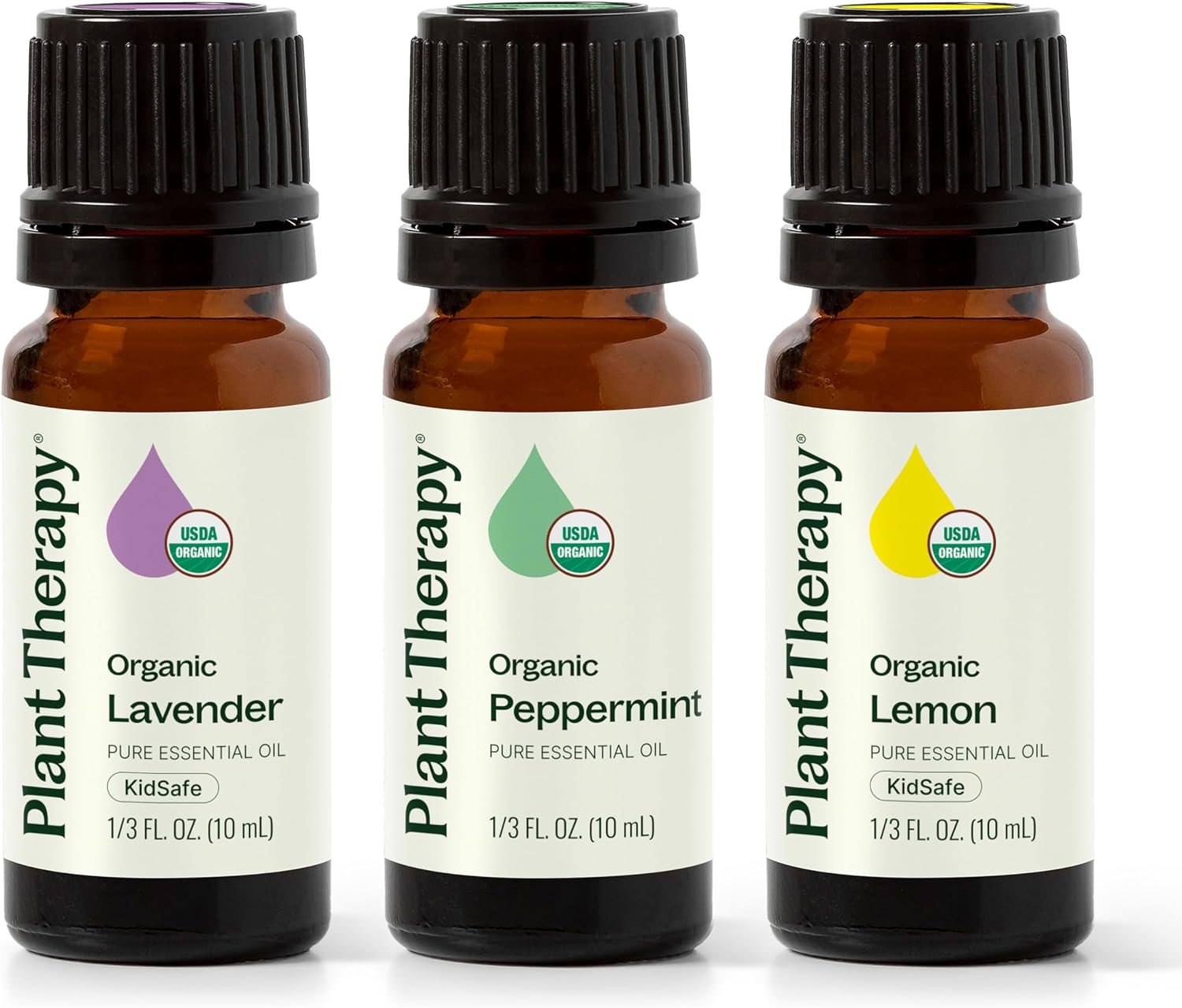
Plant Therapy Organic Lavender, Peppermint, and Lemon essential oils
The three-oil organic set we are building this practice around.
The three-bottle set

Plant Therapy Organic Lavender, Peppermint & Lemon

One calm scent, one focus scent, one brightening scent. This organic trio is enough to start using scent deliberately without turning it into a whole collection.

View on Amazon →
Keep it sensible: Essential oils are concentrated. Avoid casual ingestion. Dilute appropriately before putting them on skin, and be more cautious around children, pets, pregnancy, asthma, migraine, or fragrance sensitivity. If a scent makes you feel worse, stop using it.
FAQ

A few good questions.

Does lavender actually lower cortisol, or is that oversold?

There is evidence for an effect, but the size and consistency vary by study. A review pooling randomized trials reported reductions in cortisol and other stress-related measures after lavender aromatherapy. That makes lavender more credible than many wellness claims, but not a sedative drug in a bottle.

Why use lavender, peppermint, and lemon instead of a bigger set?

Because the three already cover the main states we are trying to influence here. Lavender settles. Peppermint sharpens. Lemon brightens. More bottles are not automatically more useful.

Why peppermint instead of rosemary for focus?

Both can be used on the alertness side of aromatherapy, but peppermint is the focus scent included in this organic three-oil set. That keeps the practice simple and makes the article match the products readers can actually buy together.

Does scent stop working as we get older?

No. Smell can become less sensitive with age, but the change is highly variable and is also influenced by smoking history, illness, medications, and nasal health. The practical response is not to drown the room in fragrance. Use a clean source, bring it closer, and make the exposure deliberate.

Do I need essential oils specifically?

No. Essential oils are convenient because the scent is concentrated and consistent, which is also why researchers often use them. But fresh rosemary, citrus peel, mint, or a real lavender sachet can engage the same olfactory system if the aroma is strong enough to register.

Research

If you want to go deeper.

Stephen’s note

Scent is small. The pathway is not.

I like practices that do not require a new lifestyle. A bottle, a tissue, two minutes, and a little understanding of what you are trying to change. That is enough to experiment with this one.

Composed by Stephen. More than 40 years of clinical experience working with body pain and nervous system health. Certified yoga teacher, certified personal trainer, performance nutrition specialist, and author of Sciatica Secrets and the 90 Day Reset Journal for Pain Free Living.