A visitor arrives at your door with fresh challah and excellent tea. You welcome them in. They're useful company for a while. But imagine they never leave. They crowd the kitchen, take over the sofa and stop you getting on with your life. Inflammation can be a little like that.
We hear so much about fighting inflammation that we forget what it is for. An inflammatory response protects us from infection, helps remove damaged material and organizes repair. Every day, immune cells patrol, respond, clean up and return tissues toward normal function. Without that machinery we would be in serious trouble.
In more than forty years working with bodies, I've repeatedly seen a swollen, guarded or uncomfortable area improve after gentle hands-on work and movement. My working question has become: What's arriving here, what's happening here, and what's able to leave? While researching my forthcoming book, the research behind this article, I've been digging into the surprisingly sophisticated physiology behind that question.
Inflammation isn't a dirty word. The problem is a response that can't complete its visit.
What inflammation actually is
The word comes from the Latin inflammare, “to set on fire.” The classical signs tell the story: redness, heat, swelling, pain and sometimes loss of function. But the real story unfolds at the microscopic level. Inflammation is a coordinated cellular and vascular response to infection, injury or other danger signals. It is not merely a lump of fluid, and it is not the same thing as pain.
Take a small cut. Resident cells such as macrophages and mast cells detect injury or microbes and release messages. Histamine and other mediators can widen local vessels and change their permeability. More blood reaches the region; fluid and proteins move into the interstitial space. Leukocytes, the body's white blood cells, are recruited to do specific jobs. The liver contributes to this response by making circulating acute-phase proteins, such as C-reactive protein, but leukocytes themselves are produced primarily in bone marrow, not the liver.1
Neutrophils often arrive early. They are specialists at attacking microbes, but their enzymes and reactive molecules can injure healthy tissue if the response runs too strongly or too long. Monocytes enter and become macrophages; these can remove damaged material and help organize the transition toward repair.
As the response progresses, many spent neutrophils undergo programmed cell death. Macrophages engulf them through a process called efferocytosis. Far from being simple garbage collection, that changes macrophage behavior and promotes the body's resolution program. Specialized lipids such as resolvins, protectins, maresins and lipoxins help coordinate aspects of this transition.23
All four phases overlap. Healthy tissue is not inflammation-free; it is continually maintained and regulated. The goal isn't to prevent the immune system from responding. It's to let a necessary response do its job and then recede.
How inflammation becomes a problem
When we see swelling that stays, recurrent heat or color change, a joint that repeatedly fills with fluid, or tissues that feel thick and guarded, we're seeing a disturbance in the relationship between what enters, what accumulates and what is removed. That's the practical flow question I ask when working with someone.
Fluid can build up because more is filtering out of vessels, because drainage cannot keep up, or both. Persistent immune signaling may continue alongside that process. In certain conditions, tissue remodeling and fibrosis make recovery more difficult. A person can also have sustained inflammatory activity without a visibly swollen area, so appearance alone never reveals the whole story.
There isn't one single reason why inflammation persists. Continued mechanical irritation, infection, autoimmune responses, metabolic stress and impaired resolution can each maintain a response. But transport matters in every living tissue, which is why we need to understand blood, the tissue space, lymph, and the nerve signals controlling the environment.
Blood in, exchange across, lymph out
The blood side: delivery is an active process
Blood doesn't simply wash through an inert pipe. Arterioles alter their diameter to match local demand. Capillaries form exchange surfaces where oxygen and nutrients can reach nearby cells. Their lining includes the endothelial glycocalyx, a delicate layer that helps sense the force of flowing blood. Through pathways involving nitric oxide, flow changes can influence vessel behavior.4
More important than merely “more circulation” is appropriate microcirculation: enough effective exchange surface, enough oxygen delivery and a vascular barrier that regulates what crosses. During inflammation that barrier becomes more permissive. The resulting outward fluid movement helps bring protective proteins into tissue, but it can also produce swelling.
The interstitium: where everything meets
Between capillaries and cells lies the interstitium, a hydrated network of fluid, collagen and proteoglycans. Fascia belongs to the broader connective-tissue architecture surrounding and linking these spaces. Tissue pressure, mechanical loading and matrix structure influence the physical environment in which fluid exchange occurs. That's one reason movement and tissue mechanics are worth discussing without treating every tight muscle as a diagnosis.
The lymphatic side: transport, surveillance and return
Initial lymphatic vessels take up interstitial fluid and proteins and return them, eventually, to the venous circulation. Along the route, lymph nodes coordinate immune surveillance. Collecting vessels possess their own contracting segments, or lymphangions, equipped with one-way valves. Muscle contractions, walking, breathing and surrounding pressure changes can also assist transport, although their effects vary by tissue.5
One of the most revealing findings from the research behind this article concerns a feedback loop. Inflammatory signaling can interfere with lymphatic contractions. Impaired drainage can increase fluid accumulation, which may contribute to persistent inflammation and tissue changes. The mechanisms include inflammatory nitric-oxide pathways that disturb normal lymphatic pumping.6
A powerful loop to understand
Inflammatory activity can reduce lymphatic transport; compromised transport can worsen local swelling and inflammatory conditions. The lesson is to attend to both the source of irritation and the tissue's ability to recover.
That doesn't mean a massage mechanically empties all inflammation or that circulation is the sole cause of every inflammatory disease. It means flow, immune activity and tissue repair are interdependent, and should be considered together.
Why continued stress deserves center stage
Picture the person who wakes under pressure, sits for eight or ten hours, clenches their jaw, eats standing up, carries tension home and then sleeps badly. Their physiology isn't separate from that experience.
The autonomic nervous system influences heart rate, vascular tone and digestion. The hypothalamic-pituitary-adrenal system releases cortisol, an essential hormone that normally helps regulate inflammatory activity. With prolonged stress, immune cells can respond differently to those regulatory signals; experimental and observational research has linked chronic stress with altered inflammatory signaling.7
Stress also changes the actual conditions of recovery: less movement, more muscle guarding, altered digestion, fragmented sleep and fewer opportunities to genuinely switch off. In your tissues these influences can pile up. Our previous Journal article, How Stress Ages You, and What Turns It Back, examined several consequences. Here the focus is what the body needs to finish its repair work.
My autonomic-system research also covers an experimental inflammatory reflex in which neural signals regulate immune-cell cytokine production. This is intriguing, but it would be inaccurate to promise that a particular breathing pattern directly cures inflammation by activating that exact circuit in people.8
The practical point: create actual periods of recovery. Walk away from the desk. Breathe comfortably. Move out of a guarded posture. Protect sleep. Give the nervous system a credible signal that work has finished for today.
From the science behind Your Discs Are Alive
My forthcoming book investigates why living tissue needs more than an adequate supply of nutrients. Some of that research forms the foundation of this article, particularly the chapters on the blood circulation, lymphatic system, nutrient transport, autonomic nervous system and gut.
Here's an example from the lymphatic research: collecting lymphatic vessels have their own active pumping units, called lymphangions. They contract rhythmically, working with one-way valves. The system also responds to muscle movement, breathing and changing tissue pressure. In experimental inflammation, TNF-alpha has been shown to impair that pump's activity through an NF-kappa-B/iNOS signaling pathway.56
The blood research adds another layer: the vessel lining senses the force of flowing blood, while the nutrient-transport research asks whether oxygen and building blocks can actually cross into cells and be used to form tissue. Delivery, exchange, return and rebuilding are distinct jobs. They must work together for tissue to recover.
That's the systems view I am bringing into this Self Care Sunday article. These are adapted explanations from my working science references, not an excerpt from the book's finished prose.
Feed the repair process every day
Inflammatory signaling does not occur in a nutritional vacuum. Your gut manages absorption, barrier function, microbes and immune tolerance. Gut bacteria ferment suitable fibers into short-chain fatty acids such as butyrate, a fuel for colon cells that also participates in barrier and immune signaling.9
Once nutrients are absorbed, they still have to reach the target tissue and be used. Collagen synthesis requires appropriate amino acids, oxygen, vitamin C, iron-dependent reactions and later copper-dependent cross-linking. The book's nutrient-transport research shows why supply and use must be considered separately.10
This is the thinking behind Food for Back Pain. Not one magic ingredient: repeatable meals that bring protein, diverse plants, fiber and useful fats into the diet. The Monster Mash and Real Food Ideas are practical ways to make those habits easier.
One meal, several jobs
Cook beans, lentils, fish or another suitable protein with extra-virgin olive oil, crushed garlic, ginger, chopped rosemary or oregano, and plenty of colorful vegetables. Add herbs for flavor instead of relying on a giant capsule of one isolated compound. Finish with berries if you enjoy them.
It's a food pattern to repeat, not a promise that one meal instantly clears inflammation.
Explore Food for Back Pain →Three medicinal plants worth knowing, plus the kitchen garden
The best approach is to distinguish everyday food, standardized extracts and topical applications. A study involving an extract does not necessarily predict the effects of seasoning dinner. Trials that lower C-reactive protein (CRP) or TNF-alpha are informative, but changing a marker is not automatically proof of curing a disease.19
Black seed · Nigella sativa
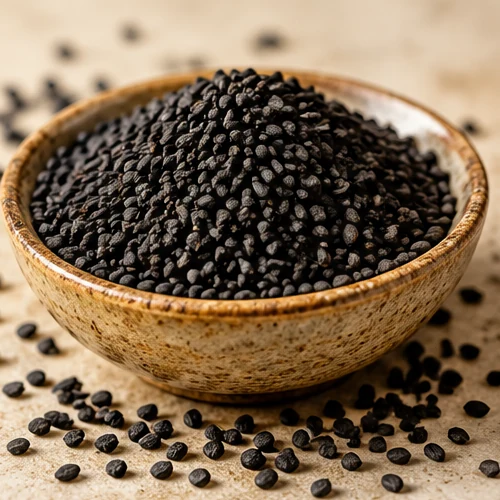
Also known as kalonji, this seed has a long history in Middle Eastern and South Asian cooking and traditional practice. Its oil contains compounds including thymoquinone. Meta-analyses of randomized trials suggest certain preparations may lower CRP and TNF-alpha, though results differ between trials and do not prove that all whole-body inflammation is corrected.11
Practical use: try a modest amount of culinary seeds in suitable dishes. If considering concentrated oil, choose a product identifying Nigella sativa, a clear preparation and third-party quality information; check medication interactions, particularly with blood-pressure or blood-sugar treatments.
Garlic · Allium sativum
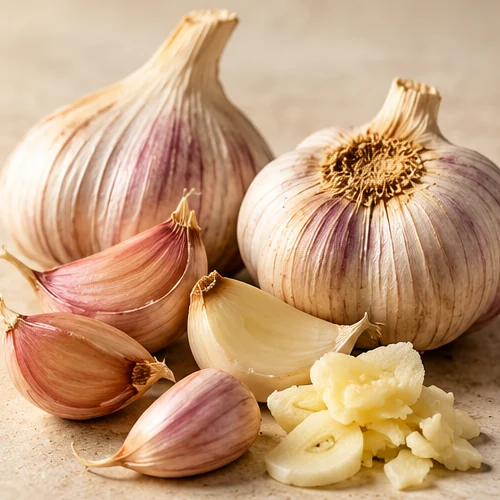
Crushing garlic brings alliin and the enzyme alliinase together, generating unstable allicin and related sulfur chemistry. Human supplement trials have reported reductions in some inflammatory markers, including CRP, but aged garlic extract and freshly crushed garlic are chemically different products.12
Practical use: chop or crush fresh garlic for dressings, vegetables, soups or beans. Use it because it's delicious and supports a varied dietary pattern, not because a clove equals a trial dose. Concentrated supplements can interact with medicines, particularly those affecting bleeding.
Ginger · Zingiber officinale
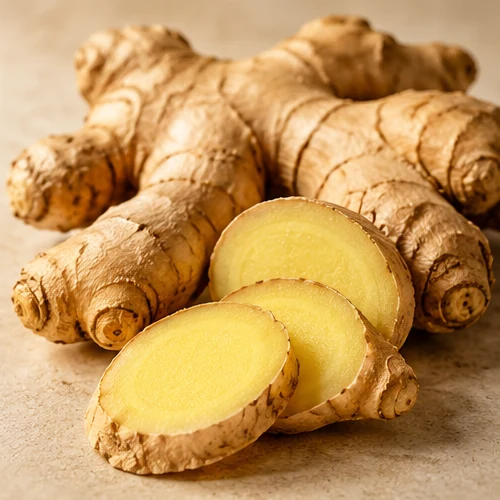
Gingerols and shogaols have interesting biological activity, and pooled trials suggest changes in some inflammatory markers. Yet studies vary widely by preparation, population and result, so the effects are not reliably predictable for every person.13
Practical use: fresh ginger in soups, stir-fries or tea; dried ginger in baking and spice mixtures. People considering concentrated doses, especially alongside medication, should review safety first.
The kitchen garden is more than decoration
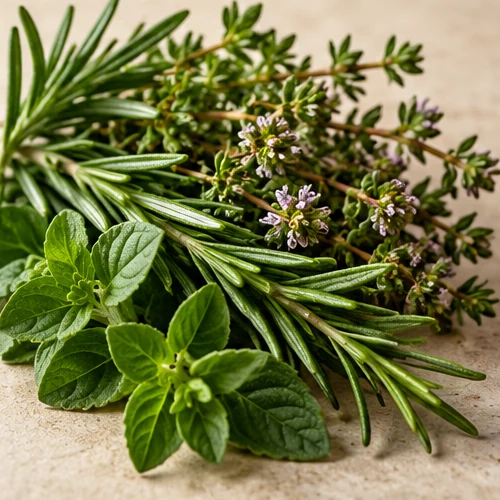
Don't leave the kitchen garden out of the conversation. Aromatic plants contain phytochemicals, and many have long histories in food preservation and traditional self-care. I prefer organic herbs and spices when available, particularly for ingredients I use frequently. Organic certification is a purchasing preference, not proof that an herb has a stronger medicinal effect. The plant, growing conditions, freshness, storage, and preparation all matter.
Rosemary and sage
Rosemary contains carnosic acid, carnosol and rosmarinic acid. Their redox and inflammatory-signaling effects are extensively studied in laboratory systems. Rub chopped rosemary into vegetables before roasting, or steep a culinary sprig in soup or a savory sauce.
Thyme and oregano
These Mediterranean herbs are rich in aromatic constituents, including thymol and carvacrol, though levels differ widely between plants. They are wonderful with beans, tomato dishes, eggs and roasted vegetables. Culinary leaves are not equivalent to concentrated essential oils, which should not be swallowed casually.
Basil, mint and parsley
Fresh leaves add a variety of polyphenols, fragrance and flavor. Use generous handfuls in salads, soups, fresh sauces and vegetable dishes. Basil and mint share certain phenolic compounds with the Mediterranean herb family.
Coriander, cumin and cinnamon
Seeds and bark broaden the chemical diversity of a meal. Coriander and cumin work beautifully in lentils and stews; cinnamon suits oats, yogurt and baking. For frequent cinnamon use, Ceylon varieties tend to contain less coumarin than cassia.
The most relevant human experiment did not test one “miracle” herb. A controlled study gave twelve men the same meal with no spice, two grams, or six grams of a thirteen-spice blend. The six-gram version reduced one measured post-meal inflammatory response in stimulated immune cells. A separate four-week dietary trial has also investigated mixed spices and circulating immune markers. The results make culinary diversity worth studying; they do not prove that any single herb cures inflammation.14
Make a small organic herb blend: two parts oregano, one part thyme, one part rosemary, with a little coriander and cumin. Mix into olive oil with crushed garlic and use it on vegetables, beans, fish or another suitable protein. Keep dried herbs sealed, cool and out of direct light.
Coconut oil: food, skin, and the bath
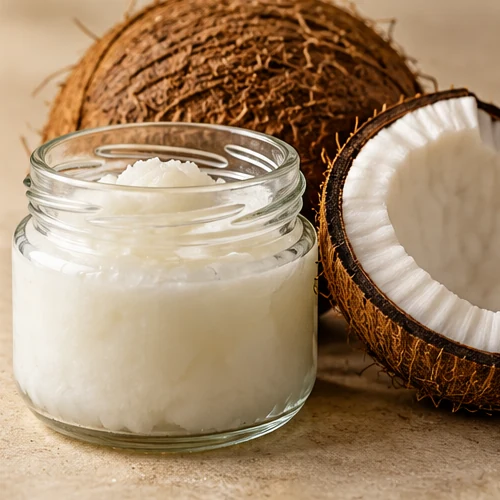
Coconut oil deserves its own discussion because I have used it repeatedly in hands-on work. I like it as a simple topical oil, and I sometimes add a small amount to a warm bath. In practice, the combination of warmth, gentle application and comfortable movement has often helped people feel less guarded and more mobile.
There are three separate questions here. For the skin, virgin coconut oil functions as an emollient and has been studied for skin-barrier support, including small trials in atopic dermatitis. In the bath, the experience combines warm water, relaxation and skin contact; that is a personal self-care practice rather than a measured treatment for whole-body inflammation. As a food, coconut oil is rich in saturated fat, and good human evidence that eating more of it reduces whole-body inflammation is lacking.15
My practical use: for intact skin, apply a little plain virgin coconut oil with gentle, unhurried hands. Patch-test first if sensitive. For a bath, start with very little: oil can make the tub dangerously slippery, and a non-slip mat matters. Do not apply oil to a hot, rapidly worsening, possibly infected or open area in place of assessment.
Sauna, heat, cold, and contrast
One reason I value sauna is that heat provokes a whole-body physiological response. Skin blood vessels widen, skin perfusion rises, heart rate increases and sweating helps regulate temperature. Those are real vascular and glandular responses. Sweating, however, is not the same route as lymphatic drainage, and we should not claim that sweat physically empties inflammation from a swollen joint.
Traditional Finnish sauna, infrared sauna and hot-water bathing all deliver passive heat, but they differ in air temperature, radiant energy and exposure. Observational sauna research associates frequent use with favorable cardiovascular and some inflammatory outcomes; controlled trials are smaller and cannot establish sauna as a cure for systemic inflammatory disease.16
Cold immersion or a cool rinse produces a different response, including rapid changes in skin-vessel tone and breathing. Alternating hot and cold can feel invigorating, and reviews of contrast-water therapy have found benefits for soreness and some aspects of recovery after exercise compared with passive rest. They have not demonstrated that alternating temperatures clears all inflammation or treats gout or autoimmune disease.17
Heat for stiffness and comfort
Try a comfortable warm bath or appropriately used heating pad for muscular guarding and stiffness. Begin with a moderate temperature, not a test of endurance. Avoid aggressive heat on an acutely hot, red or spreading swollen area.
Cold for local symptom relief
A wrapped cold pack can help with short-term pain or swelling after a recent injury. Keep exposure brief, protect the skin and avoid cold treatment if sensation or circulation is impaired.
Traditional
Hot-air heat, often with humidity changes from water on stones. Strong whole-body thermal sensation.
Infrared
Radiant panels, usually at lower air temperatures. A practical home option for people who prefer that heating style.
Hot bathing
Low-tech, affordable and easy to integrate into a gentle evening routine. Immersion and heat are different from sauna exposure.
A sensible starting approach: begin with a short, comfortable sauna session, hydrate, sit down if lightheaded, and cool gradually. Contrast exposure is optional, not a competition. Sudden cold plunges can markedly increase breathing, heart rate and blood pressure; anyone with cardiovascular disease, unstable blood pressure, a history of fainting, or other major medical conditions should obtain individualized medical advice. Never combine sauna use with intoxication.
Topical plants and hands-on care
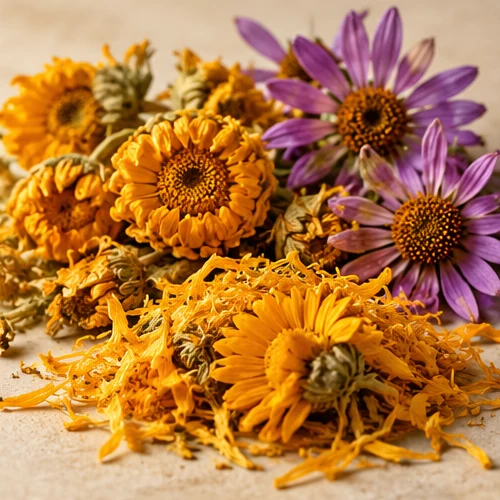
Topical treatments answer a different question from foods or systemic supplements. They may relieve a particular area without demonstrating changes to whole-body inflammatory regulation.
Gentle bodywork, comfortable motion and temperature changes may alter pain, guarding and local fluid dynamics. Persistent redness, rapidly increasing swelling, fever, or an exceptionally hot tender joint needs proper assessment. Gout, for instance, involves an inflammatory response to urate crystals; comfort measures may help symptoms, but that does not establish that the crystals have disappeared.
A seven-day experiment in better recovery
Don't change twenty things at once. Choose practices that are easy enough to repeat, notice how you respond, and adjust to your health circumstances.
- Move between sitting spells.
Stand, walk, gently rotate or change position several times during the day. Comfortable rhythmic movement is the point, not punishment.
- Eat a colorful, herb-rich meal daily.
Add garlic, ginger and a few different culinary herbs to real food. Include protein, plants and fiber that suit you.
- Give your day an off-switch.
Protect a short period after work for quiet, comfortable breathing or a walk outside.
- Try gentle warmth.
A warm bath or heat wrap can help stiffness. If sauna suits you, start conservatively rather than chasing extreme temperatures.
- Use cooling purposefully.
Try brief protected cooling for an appropriate local injury or symptom, rather than assuming the colder the better.
- Notice the actual tissue changes.
Pay attention to swelling, color, warmth, range of movement, sleep and how long relief lasts. Your body's response is useful information.
- Learn from what keeps returning.
If the same area keeps becoming uncomfortable or swollen, notice what preceded each flare-up, how long relief lasted, and whether movement, rest, or temperature changed the pattern. Recurrence is useful information about what still needs attention.
Optional tools for a practical home routine
Good habits come first. These are optional equipment and plant products readers may find useful.
Affiliate disclosure: Some links in this article may be affiliate links. As an Amazon Associate, I earn from qualifying purchases.

A well-built sauna
Choose by safe electrical certification, space, ventilation, temperature controls, cleaning and warranty, not inflated “detox” promises.
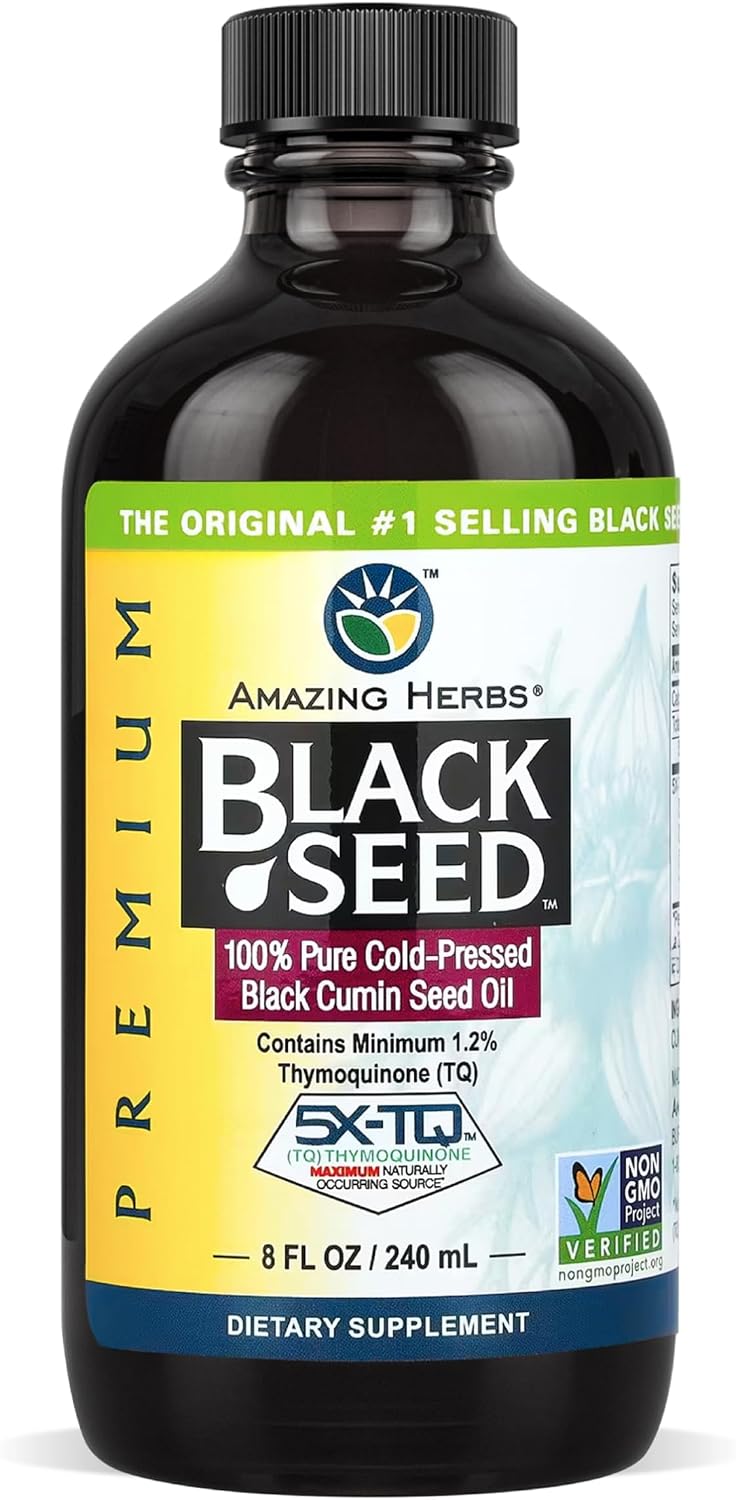
Black seed, clearly labeled
Look for Nigella sativa, batch identification, appropriate storage and an ingredient list without unnecessary additions.
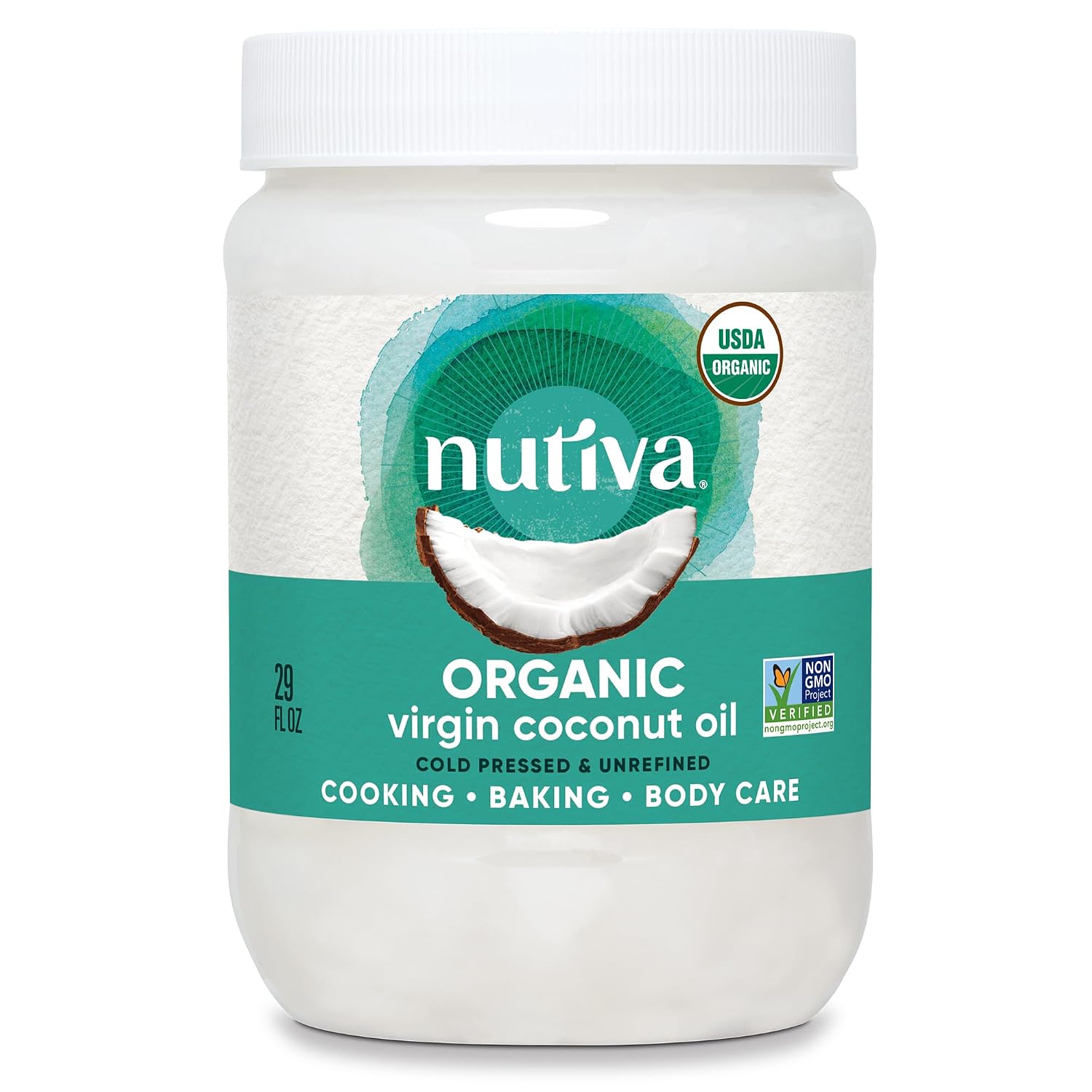
Unrefined coconut oil
Choose a simple single-ingredient product for skin use, with clean handling and a patch test if sensitive.
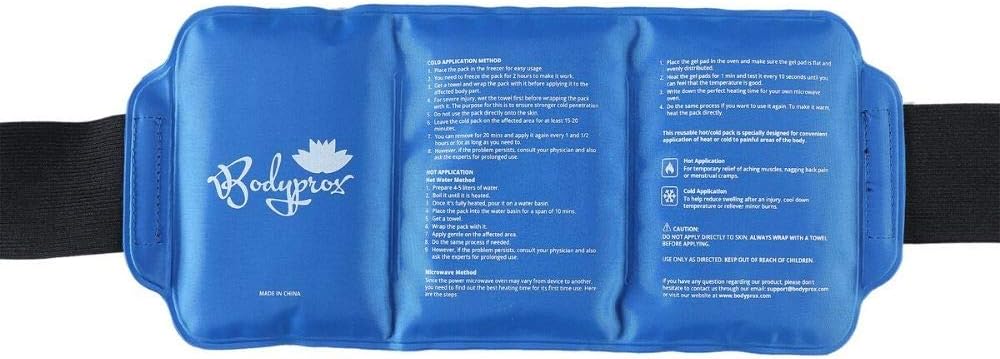
Reusable temperature wrap
A flexible, washable wrap with a protective sleeve for convenient, brief hot or cold applications.
Let the visitor finish the visit
Inflammation is useful company when it arrives for the right reason, does its work and leaves. The visitor who brings challah and tea is welcome. The visitor who takes over the house indefinitely is another matter.
My lasting lesson from decades of hands-on work, and now from the deeper research behind this article, is to look beyond the discomfort to the whole living process: delivery, immune action, exchange, return and rebuilding. None of those processes operates alone.
Don't just ask what you can take to suppress a symptom. Ask what is happening in the tissue, what has not finished, and what conditions might help recovery proceed.
See you next Sunday.
Stephen
Questions to put into practice
What can I notice when an area begins to settle?
Pay attention to the trend over several days: less swelling, less persistent warmth, more comfortable movement, improved sleep, and longer periods of relief. A single good hour matters less than whether daily function is gradually improving. Record what you tried so you can recognize which practices consistently help you.
How can I support fluid movement during an ordinary workday?
Interrupt long periods of stillness. Take short walks, move your ankles and shoulders, change positions, and breathe comfortably through the ribs and abdomen. Muscle contraction and breathing-related pressure changes contribute to venous and lymphatic transport. Choose gentle, repeatable movement rather than forcing an irritated area.
How can I make sauna, a bath, or a cool rinse part of a weekly reset?
Begin with heat you tolerate comfortably, such as a warm bath or an appropriately used sauna. Rest and hydrate afterward. If you enjoy a cool rinse, make it brief and comfortable rather than a test of endurance. Notice how your body responds that evening and the next day. Heat and cold change local circulation and can help comfort, but more extreme temperatures are not necessarily more useful.
How can I use organic herbs and coconut oil at home?
Start with a real meal: vegetables, a protein source, garlic or ginger, and several culinary herbs such as rosemary, thyme, oregano, basil, or coriander. Choose organic herbs when practical and store dried herbs well. For a separate skin-care ritual, try a small amount of plain virgin coconut oil on intact skin after a patch test, or a little in a warm bath with a non-slip mat. Culinary use and topical use are different practices; notice what each actually does for you.
How do I know which self-care practice is worth keeping?
Try one manageable change for a week and observe something specific: range of movement, comfort after sitting, sleep quality, swelling, or how quickly you feel settled after stress. Keep the approaches that reliably improve your day. If an area is repeatedly worsening or not recovering, reconsider the approach and investigate what continues to irritate it.
Research and further reading
- Medzhitov R. Origin and physiological roles of inflammation. Nature, 2008. Read the study
- Ortega-Gómez A, Perretti M, Soehnlein O. Resolution of inflammation: an integrated view. EMBO Molecular Medicine, 2013. Read the study
- Serhan CN and colleagues. Review of pro-resolving lipid mediators and inflammation. Read the study
- Levick JR, Michel CC. Microvascular fluid exchange and the revised Starling principle. Cardiovascular Research, 2010. Read the study
- Scallan JP and colleagues. Lymphatic pumping: mechanics, mechanisms and malfunction. Journal of Physiology, 2016. Read the study
- Chen Y and colleagues. TNF-alpha inhibits lymphatic pumping through the NF-kappa-B/iNOS pathway. Microcirculation, 2017. Read the study
- Cohen S and colleagues. Chronic stress, glucocorticoid receptor resistance, inflammation, and disease risk. PNAS, 2012. Read the study
- Tracey KJ. The inflammatory reflex. Nature, 2002. Read the study
- Donohoe DR and colleagues. The microbiome and butyrate regulate energy metabolism and autophagy in the mammalian colon. Cell Metabolism, 2011. Read the study
- Review of collagen hydroxylases, oxygen, iron, 2-oxoglutarate and ascorbate requirements. Read the study
- Nigella sativa and biomarkers of inflammation: systematic review of 20 randomized trials. Read the study
- Mirzavandi F and colleagues. Garlic supplementation and serum inflammatory markers: systematic review of randomized trials, 2020. Read the study
- Ginger supplementation and inflammatory markers: systematic review of 16 randomized trials, 2020. Read the study
- Spices in a high-fat, high-carbohydrate meal and postprandial proinflammatory cytokines: randomized crossover trial, 2020. Read the study
- Evangelista MTP and colleagues. Topical virgin coconut oil and pediatric atopic dermatitis: randomized trial, 2014. Read the study
- Sauna bathing and systemic inflammation: association with C-reactive protein in 2,084 men. Read the study
- Bieuzen F, Bleakley CM, Costello JT. Contrast water therapy and exercise-induced muscle damage: systematic review, 2013. Read the study
- Grube B and colleagues. Comfrey root extract ointment for osteoarthritis of the knee: randomized clinical trial. Read the study
- Herbs and Spices: Biomarkers of Intake Based on Human Intervention Studies. Review, 2019. Read the review
Some citations link to targeted literature searches where a final primary-study URL still needs verification. Statements about Stephen's hands-on experience are personal observations, not controlled clinical findings.